

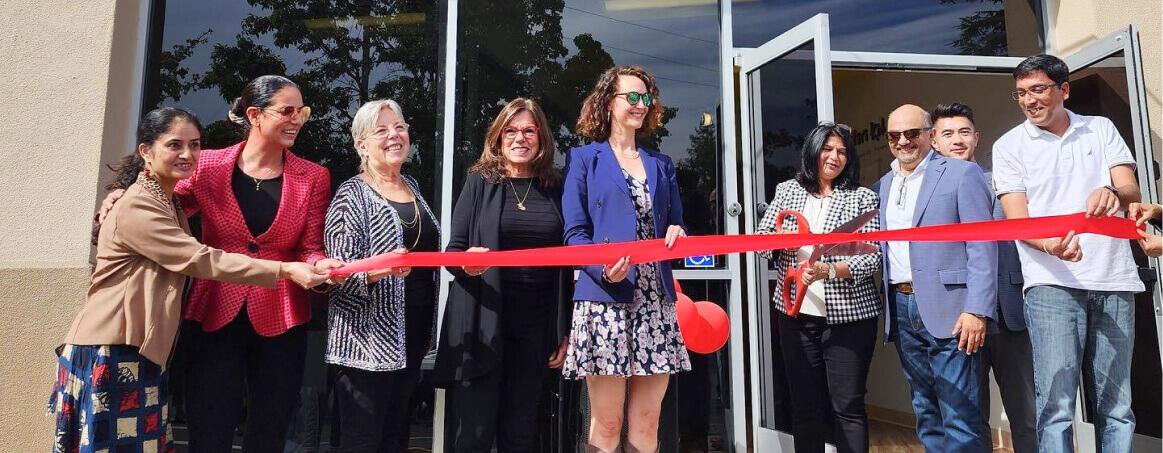
Safari Kid is an early childhood education franchise offering preschool, childcare, early learning, and after-school enrichment programs. The total investment to open a Safari Kid franchise ranges from $523,900 to $2,167,000, including a minimum $100,900 franchise fee and a 7% royalty. Safari Kid combines a research-based curriculum with a whole-child development approach, making it an option for entrepreneurs interested in education, community involvement, and operating a service-oriented business.
Safari Kid Franchise Key Facts at a Glance
| Total investment | $523,900 - $2,167,000 |
| Franchise fees | $70,000+ |
| Royalty fee | 7% of gross sales |
| Ad/marketing fee | 1.5% brand development fund |
| Liquid capital required | $150,000+ |
| Net worth required | $750,000+ |
| Units | 26 U.S. units; 50+ globally |
| Founded / franchising since | 2005 / 2006 |
| Parent company | Safari Kid Global Inc. |
| Headquarters | Newark, California |
| Category | Early education, preschool, and childcare |
| Ownership model | Owner-led with a center director and teaching staff |
Safari Kid Franchise Costs & Fees
Opening a Safari Kid franchise requires an estimated total investment of $523,900 to $2,167,000, including a one-time initial franchise fee of $70,000. Franchisees pay an ongoing royalty of 7% of gross sales and a 1.5% brand development contribution. A recurring technology fee of $250 also applies under the franchisor's published fee information.
Initial investment overview (FDD Item 7):
| Cost item | Low | High |
| Initial franchise fee | $70,000 | $70,000 |
| Pre-opening services fee | $30,000 | $30,000 |
| Real estate/lease | $7,500 | $45,000 |
| Build-out of learning center | $250,000 | $1,400,000 |
| Equipment, technology, furniture & materials | $11,000 | $145,000 |
| Curriculum, books & supplies | $8,900 | $14,500 |
| Initial advertising | $15,000 | $25,000 |
| Training travel | $3,000 | $6,000 |
| Additional funds | $95,000 | $355,000 |
| Other costs | ||
| Total (franchisor published) | $523,900 | $2,167,000 |
- Ongoing fees: 7% royalty, 1.5% brand development fund, and $250 technology fee.
- Discounts/incentives: No specific incentive confirmed; verify against the current FDD.
The grouped categories above are condensed for readability and are not an exact reproduction of Item 7. Review Safari Kid's latest FDD for Item 5 and 7 details.
Why Choose Safari Kid? Franchise Highlights
Safari Kid offers a distinctive franchise opportunity in the childcare and early childhood education industry through its research-based curriculum and whole-child development philosophy. Founded in 2005, the brand provides preschool, daycare, kindergarten, after-school, and summer camp programs designed to support children's academic, social, emotional, and physical growth. Its eclectic educational approach draws inspiration from Montessori, Reggio Emilia, and Waldorf philosophies while incorporating play-based learning and STREAM activities. This combination allows franchisees to offer families a comprehensive educational experience beyond traditional daycare services.
With growing demand for early childhood education and dependable childcare, Safari Kid operates in a market supported by working families, school-readiness priorities, and increasing interest in structured learning environments. Its programs serve multiple age groups, allowing franchisees to develop different enrollment and revenue opportunities through infant care, toddler programs, preschool, kindergarten, after-school enrichment, and summer camps. This diversified model may help centers build relationships with families as children progress through different developmental stages.
Safari Kid's franchise model also provides support for site selection, licensing, construction, marketing, and center operations. It's a support structure that has won this franchise system multiple accolades and recognition for at least three consecutive years in a row in the franchise industry, among which are Franchise Business Review's Top Franchise awards in multiple categories, such as Culture, for Women, Rock Stars, and top Recession-Resistant, Most Profitable, and overall Top Franchises.
The opportunity may appeal to professionals from business management, education, healthcare, hospitality, or other leadership-oriented backgrounds who want to operate a community-focused business. Franchisees benefit from strong brand recognition, an established curriculum, standardized operating systems, and support in managing the requirements of a licensed childcare center. However, success requires attention to staffing, enrollment, educational quality, and financial management.
"From a business perspective, the best thing about Safari Kid is that they really care about each of their franchisees. They're always supporting us, and they really are just a phone call away," praises Shanu Mathur, a Safari Kid franchise owner.
For prospective owners, Safari Kid combines an established educational philosophy with a multi-program business model and comprehensive franchise support. Its emphasis on whole-child development provides a recognizable identity in the competitive early education market. Ready to take the first step? Explore your Safari Kid childcare franchise opportunity today.

Training & Support
Safari Kid provides training and operational assistance to help franchisees prepare for opening and manage their childcare centers. Its support model covers the development process, educational programming, enrollment, marketing, and daily operations.
- Onboarding and Training: Franchisees receive structured training covering site selection, business planning, real estate development, licensing, staffing, curriculum implementation, and daily operations. Safari Kid assists with demographic research, real estate broker connections, lease considerations, architectural reviews, and construction planning. Its pre-opening support also includes guidance on selecting contractors, preparing licensing applications, recruiting directors and teachers, and organizing the center for enrollment. Training is tailored to franchise owners, directors, and teaching staff to help maintain educational and operational standards across locations.
- Ongoing Training: Safari Kid provides continuing education through in-person and virtual training, curriculum updates, and professional development resources. Its curriculum specialists support teachers as educational programs evolve alongside research into early learning and childhood development. Franchise owners also receive guidance in areas such as revenue management, staffing, financial planning, and operational performance. These resources help owners maintain consistency while adapting to changing enrollment needs and regulatory requirements.
- Marketing and Operations Support: Franchisees have access to support for launch marketing, grand opening publicity, local customer acquisition, and enrollment development. Safari Kid's marketing resources include location-specific websites, search engine optimization, social media management, customer relationship management workflows, and automated nurturing campaigns. Operational assistance extends to business planning, licensing, hiring, construction coordination, and center setup. The franchisor also has a white-glove facility setup process that helps owners prepare classrooms, furniture, educational materials, and playground equipment before opening.
- Software and Systems Provided: The franchise system offers technology resources for childcare management, enrollment tracking, revenue management, digital assets, learning systems, applicant tracking, and payroll administration. These systems support administrative processes, parent communication, employee management, and educational program delivery while helping franchisees monitor their center's operations.
The depth of this support system is particularly important because operating a Safari Kid franchise involves more than providing childcare and enrolling students. Owners must manage franchise license requirements, qualified educators, child safety, curriculum delivery, parent relationships, facility maintenance, and the financial demands of running a licensed early childhood education center.
Territory & Operations
- Territory model: Safari Kid offers exclusive territorial rights. Each designated territory contains at least 12,000 households, with boundaries influenced by population density, local demographics, existing franchise rights, and commercial activity. Franchisees may pursue multiple locations, subject to franchisor approval and territory availability.
- Operating requirements and compliance expectations: Safari Kid franchise owners must follow the franchisor's established standards for curriculum delivery, branding, facility development, approved systems, staffing, and operational quality. Franchisees are responsible for securing suitable commercial space, obtaining childcare licenses, recruiting qualified educators, maintaining enrollment, and meeting applicable state regulations. The franchisor provides guidance through its site selection, real estate development, licensing, marketing, and operations support systems.
- Owner involvement: Safari Kid generally favors owner-operated centers, although they offer opportunities for semi-absentee ownership with qualified management in place. Franchisees must oversee business performance, staffing, educational quality, family relationships, licensing compliance, and financial management. For a center serving approximately 100 students, Safari Kid estimates a staff of 10-15 employees, depending on state regulations and the programs offered. Operating a Safari Kid franchise is therefore closer to managing an education-focused organization than running a small, passive investment.
History & System Size
Safari Kid was founded in 2005 by Shahdokht "Shy" Mudakavi, who opened the first preschool in Newark, California, with just five children in an 850-square-foot classroom. Her vision was to create an educational environment that nurtured children's intellectual, emotional, and social development through individualized learning. The company introduced its eclectic early education philosophy in 2007, followed by a proprietary booklet system in 2008 and after-school enrichment programs in 2009. Safari Kid subsequently expanded its curriculum platform to include toddler care, infant programs, kindergarten, and elementary education. Its international expansion began in 2014, bringing the brand into Canada and India. Today, Safari Kid reports more than 50 active preschool locations across three countries, with franchise operations supported by Safari Kid Global, Inc. Under the leadership of founder and CEO Shy Mudakavi, the brand continues developing its educational programs and expanding its franchise network.
- First franchise sold: 2011
- Total current locations: 50+ globally/25 U.S.
- Parent company/ownership history: Safari Kid Global, Inc.
How It Works: The Path to Owning a Safari Kid Franchise
Step 1: Request Information
Embarking on the journey to own a Safari Kid franchise begins with gathering information about the brand's educational philosophy, investment requirements, and ownership expectations. Prospective franchisees submit an application and connect with the franchise development team to learn about the business model and available territories. Safari Kid also provides its Franchise Disclosure Document for review. By reaching out to Franchising Path, you can streamline this process with guidance that helps you understand the opportunity, evaluate the investment, and determine whether Safari Kid aligns with your financial goals, experience, and preferred ownership structure.
Step 2: Pre-Approval Process
During pre-approval, Safari Kid evaluates prospective franchisees based on their financial qualifications, business experience, leadership abilities, and preferred market. Candidates review territory demographics, explore the business model, and discuss their questions about the FDD with the franchise development team. The process may also include Discovery Day, franchisee validation calls, and background checks before final approval. Franchising Path can provide guidance throughout this stage, helping you evaluate the franchisor's requirements and determine whether the opportunity matches your expectations.
Step 3: Training Program
Once approved and the franchise agreement has been signed, franchisees begin preparing for the development and operation of their Safari Kid center. The franchisor's training includes a three-day interactive experience involving classroom observations at its Newark, California, location and nearby centers. Training covers Safari Kid's educational philosophy, curriculum, licensing, operations, financial management, marketing, and staffing. Franchise owners and directors are encouraged to participate, with additional support available for teachers and other staff members.
Step 4: Launch and Ongoing Support Programs
After completing training and development requirements, franchisees prepare to open their Safari Kid learning center. The franchisor assists with licensing, facility preparation, curriculum implementation, enrollment marketing, and operational planning. Once the center opens, ongoing support includes business coaching, professional development, curriculum updates, marketing assistance, and access to technology systems. These resources help franchisees manage their operations while maintaining the educational standards and family experience associated with the Safari Kid brand.
Typical Timeline for Onboarding
Safari Kid estimates a 12- to 18-month timeline from signing the franchise agreement to opening a new center. This period includes site selection, lease negotiations, construction, licensing, staffing, training, and enrollment preparation. The actual timeline depends on factors such as property availability, local regulations, permitting, and construction requirements. Franchisees work with the Safari Kid support team throughout development to prepare their location for opening and ongoing operations.
Our Take: Is a Safari Kid Franchise Right for You?
I believe Safari Kid is worth exploring for someone who genuinely values early childhood education and wants to build a business centered on families and community relationships. You don't necessarily need to be an educator, but you should be comfortable managing people, maintaining service standards, and overseeing a business where staffing and regulatory compliance are essential. During discovery day, I'd focus on understanding enrollment expectations, director responsibilities, training support, and how the business performs at different occupancy levels.
Potential Advantages
- Research-based curriculum focused on whole-child development.
- Multiple educational programs spanning preschool, after-school enrichment, and even pre-teen summer activities.
- Franchisor training and operational support for owners and educational staff.
- Community-oriented services that can build ongoing relationships with local families.
- An established educational concept with an international presence.
Considerations to Evaluate Carefully
- Substantial initial investment, particularly for facility development and build-out.
- State and local childcare licensing requirements that can affect opening timelines.
- Ongoing recruitment and retention of qualified teachers and directors.
- Enrollment and occupancy sensitivity, especially during the initial operating period.
- Significant management responsibilities involving parents, employees, safety, and educational quality.
How Safari Kid Compares
See how Safari Kid compares to other children's education franchises
Learn More About Owning a Safari Kid Franchise or Similar Franchise
Your Path to Owning a Safari Kid Franchise Starts Here
Thinking about buying a Safari Kid franchise? You're considering a business that brings together early childhood education, family services, and the opportunity to make a meaningful contribution to your community. With its research-based curriculum and multiple educational programs, Safari Kid offers an ownership model worth understanding if you're passionate about helping children learn and grow.
But here's the truth: Owning a preschool franchise involves more than finding the right location and investing in a recognized brand.
That's where Franchising Path steps in.
Clarity Over Complexity: Learn Real Franchise Investigation Through a Proven Process
We break it all down-no fluff, no pressure. Whether you're considering Safari Kid for the first time or comparing several early education and childcare franchises, our process helps you understand:
- What it really takes to qualify for and operate a Safari Kid franchise
- Franchise disclosure documents and due diligence-explained clearly
- ROI frameworks-how to evaluate investment assumptions against your goals
- Territory analysis, staffing requirements, training support, and startup timelines
- Personalized guidance from advisors who understand the realities of business ownership
Navigate with Confidence-Not Guesswork
Preschool franchising can be rewarding, but it also comes with operational responsibilities and financial commitments that deserve careful consideration. We're here to help you evaluate the opportunity, understand the trade-offs, and decide whether Safari Kid-or another franchise-makes sense for your goals, budget, and lifestyle.
FAQs
How much does a Safari Kid franchise cost?
A Safari Kid franchise requires an estimated total investment of $523,900 to $2,167,000. The actual cost depends on the property, construction requirements, equipment, staffing, and local market. Review Item 7 of the current FDD for the complete investment breakdown.
What is the Safari Kid franchise fee?
The initial Safari Kid franchise fee is $70,000. However, franchisees also pay a $30,000 pre-opening services fee. These are separate expenses within the overall investment; however, they represent the largest fixed franchise fees new owners must contemplate before investing.
What are the royalty and marketing franchise fees?
Safari Kid franchisees pay a 7% royalty on gross sales and a 1.5% brand development contribution. A $250 technology fee also applies. Additional software or operating expenses may be required.
How many Safari Kid locations are there?
Safari Kid has more than 50 active preschool locations across its international network and at least 26 U.S. units, including 19 franchised and seven company-owned locations.
Who owns Safari Kid?
Safari Kid operates under Safari Kid Global Inc. The brand was founded in 2005 and began franchising in 2011.
Is a Safari Kid franchise a good investment?
Whether Safari Kid is a suitable investment depends on your available capital, local childcare demand, management experience, and financial expectations. Its educational programs and franchisor support offer a framework to evaluate, but staffing, licensing, facility costs, and enrollment levels require careful analysis before committing.
Is financing available?
Safari Kid works with lenders experienced in financing childcare and educational businesses, including SBA-related lending programs. The franchisor provides assistance with business planning and financial documentation. Financing remains subject to lender approval, borrower qualifications, available collateral, and the terms of the proposed loan.
How long is training, and do I need experience?
Safari Kid's initial training includes a three-day interactive experience, classroom observations, operational instruction, and additional support. Previous childcare experience is not necessarily required, although business management and leadership skills are valuable.
Are territories exclusive?
Safari Kid offers exclusive territories with at least 12,000 households and states that franchisees receive exclusive territorial rights. However, the franchisor reserves the right to allow other locations to use digital marketing and social media in markets outside of their designated territories, and actual protections may depend on geography, existing locations, and contractual exceptions.
- Last updated: October 2026
- Sources: Safari Kid Academy 2026 Franchise Disclosure Document (Items 5-7, 15); Safari Kid website and marketing materials.
- Disclaimer: Franchising Path is an independent franchise consulting resource and is not Safari Kid Academy. Information is for general purposes only and based on the latest available Franchise Disclosure Document (FDD). Details may have changed in the most recent FDD. No offer to sell or solicitation to buy a franchise is being made. Offers are made only through a registered FDD or, as applicable, in the state you reside in or are purchasing in. Franchise availability may vary by location. There is no guarantee of financial performance or success. All business ventures, including franchising, involve risk. Always consult legal and financial professionals before investing.
Internal Links & Resources
Blog resources & guides
- Blind Spots of Buying a Franchise and How a Franchise Consultant Can Help
- Top 6 Financial Questions to Ask Before Buying a Franchise
- Is Franchising Right For You? Take Our Franchising Quiz
Webinar
Access the Build Wealth Through Franchising Webinar
Ebook
Download Our Ultimate Guide to Franchising as a Side Hustle
Socials
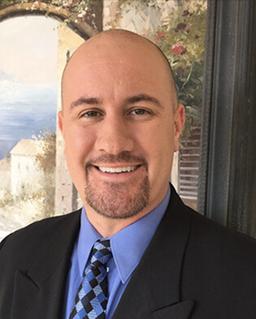
Ryan Perry
Franchise consultant and coach
With over 20 years of experience in entrepreneurship, franchising, and business coaching, I’ve opened multiple locations for franchise brands I’ve owned. My goal is not to persuade you to buy a franchise but to help you decide whether franchising is right for you and, if so, to find a brand that matches your goals.