
- Home
- Find Your Franchise
- Event & Party Rental
Event & Party Rental Franchise Opportunities: How to Choose the Best One for Your Goals
Compare event and party rental franchise opportunities: service models, startup costs, requirements and how to choose the one that fits your goals.
Choosing to invest in an event and party rental franchise opportunity can give you a way to build a business around celebrations, corporate gatherings, weddings, and community events. Depending on the franchise concept, you may benefit from an established brand, operational training, marketing resources, and, in some cases, financing assistance, while taking responsibility for managing your own business and serving customers in your local market.
If you're interested in starting an event and party rental franchise, understanding the available business models, equipment requirements, startup costs, and ownership responsibilities can help you evaluate which opportunities fit your financial resources, experience, and long-term goals.
What is an Event & Party Rental Franchise?
A franchise is a business model in which a company licenses its brand, trademarks, and operating systems to an independent business owner. An event and party rental business franchise specifically provides event rental equipment, spaces, entertainment, or related services for all types of private events and celebrations, including corporate events, weddings, festivals, and other gatherings. These businesses help customers organize events without having to purchase, store, and maintain equipment they may only need occasionally.
Event and party rental franchises can take many forms, including inflatable attraction rentals, tent and canopy services, photo booths, wedding furniture rentals, mobile entertainment, and audiovisual equipment services. Franchise owners typically receive training and operational support from the franchisor, along with access to established business procedures and marketing resources. The level of support varies by franchise system, and owners remain responsible for operating their businesses effectively.
Services an Event & Party Rental Franchise Can Offer
The event and party rental industry presents a compelling franchise opportunity for entrepreneurs looking to capitalize on the growing demand for temporary event solutions. Catering to a wide customer base that includes families, schools, event planners, venues, corporations, and community organizations, this industry provides essential services for various occasions such as birthdays, weddings, corporate gatherings, and school functions. The impracticality of purchasing items for one-time use makes rental services an attractive option for many customers.
Fueled by more than 1.8 million weddings and countless corporate events and festivals nationwide each year, the market for event and party rentals continues to expand. Reports from the party supply rental industry indicate a rising consumer interest in high-quality offerings such as premium seating, luxury tents, decorative lighting, and sustainable tableware rentals. Urban areas like New York, Los Angeles, Chicago, and Miami are particularly significant contributors to party and event industry growth, driven by increased spending on social and commercial events.
The U.S. market stands at the forefront due to frequent business conferences, product launches, gala dinners, and large-scale private functions. The advent of digital booking systems has revolutionized the industry, making rental processes more efficient and user-friendly. The demand is especially robust for luxury furnishings, ambient lighting, modular stages, and upscale canopy structures. Rental companies are diversifying their offerings by expanding beyond traditional bridal inventory to include versatile furniture, décor, and audiovisual equipment suitable for a range of events like birthdays, graduations, and corporate functions. Small, curated packages for micro-weddings and intimate gatherings help sustain utilization, despite trends toward smaller guest lists.
Emergent trends and strategic shifts in service offerings have led to forecasts of steady growth in the party rental franchise business. This positive outlook positions the event and party rental market as an attractive franchising opportunity with significant potential for business owners willing to innovate and adapt to the dynamic needs of the industry.
The following are services offered by different types of event and party rental businesses, including franchise concepts:
Party equipment rental franchises
Party equipment rental businesses supply tables, chairs, linens, party tents, serving equipment, and other essentials for birthdays, graduations, weddings, and community celebrations. Customers may rent individual items or packages that include delivery, setup, and collection. Owners manage inventory, reservations, equipment condition, transportation, and customer service. Depending on the size of the operation, commercial storage and delivery vehicles may be required.
Inflatable bounce house rental franchises
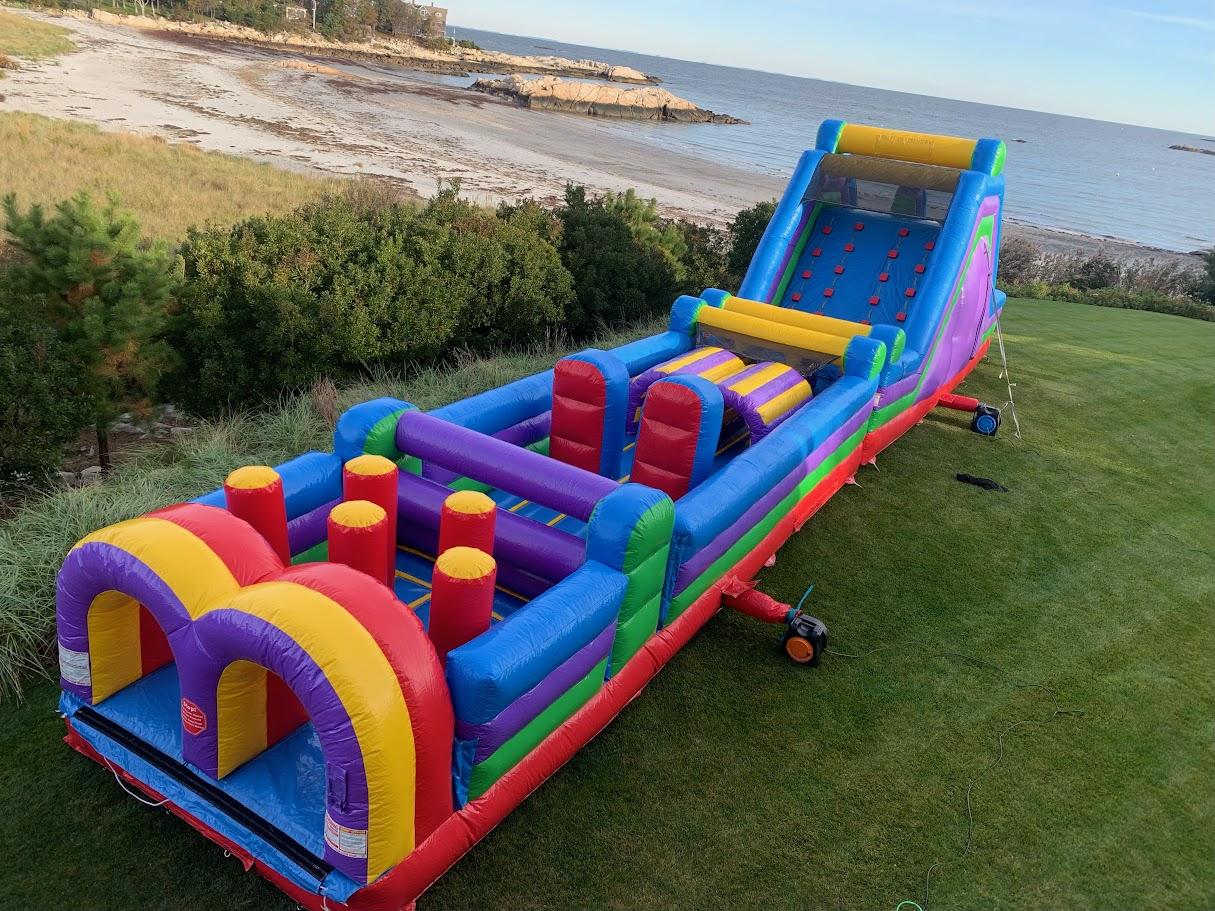
Inflatable rental businesses provide bounce houses, slides, obstacle courses, and interactive attractions for birthday parties, school events, and festivals. Many also offer event and party supplies, including party tents, folding chairs, and tables, and more. Owners coordinate with customers' reservations, delivery, installation, cleaning, and equipment inspections. Safety procedures, weather conditions, insurance, and applicable regulations are important considerations.
Tent and canopy rentals
Tent and canopy rental businesses provide temporary structures for weddings, festivals, corporate gatherings, and outdoor celebrations. Services may include tents, sidewalls, flooring, dance floors, lighting, and related accessories. Larger installations can require trained employees, specialized equipment, and local permits.
Wedding and special event rentals
Wedding and special event franchises may combine rental equipment with photography, photo booths, entertainment, lighting, and event coordination. Depending on the concept, services can support ceremonies, receptions, anniversaries, and formal celebrations. These businesses often work with wedding planners, venues, and event coordinators.
Photo booth rental franchises
Photo booth rental businesses offer photography and interactive entertainment experiences for weddings, birthdays, school celebrations, and corporate functions. Services may include digital photo booths, customized backdrops, instant prints, and branded photography experiences.
Corporate event rentals
Corporate event rental businesses provide equipment and entertainment for conferences, trade shows, company celebrations, and product launches. Customers may need audiovisual equipment, photo booths, interactive games, specialty furniture, or branded attractions. Reliable scheduling and coordination are particularly important when serving business clients.
Mobile video game truck rentals
Mobile video game franchises bring equipped gaming trailers or vehicles to birthday parties, school functions, and community events. These businesses may provide multiplayer gaming stations, consoles, screens, and supervised gaming experiences. Owners coordinate bookings, transportation, equipment maintenance, and event staffing.
Event furniture and décor rentals
Event furniture and décor rental businesses provide specialty seating, lounge furniture, decorative backdrops, and themed installations for weddings, corporate gatherings, and private celebrations. Unlike general party equipment rentals, these services focus on event presentation and design. Owners manage inventory, deliveries, equipment condition, and relationships with event planners.
Audio, lighting, and audiovisual rentals
Audiovisual rental businesses provide speakers, microphones, projectors, screens, and event lighting for presentations, conferences, weddings, and corporate gatherings. Some concepts also provide equipment installation and technical support. Equipment knowledge, maintenance, and reliable setup are important operating considerations.
Carnival game and interactive attraction rentals
Carnival game rental businesses provide ring toss games, interactive challenges, obstacle courses, and other recreational attractions for school fairs, festivals, fundraisers, and community celebrations. These services focus on games and activities rather than mobile video gaming experiences.
Owners must consider equipment transportation, installation, safety procedures, and any inspections required for particular attractions.
Balloon décor and party decoration services
Balloon décor businesses provide custom balloon arrangements, arches, columns, and decorative installations for birthdays, weddings, graduations, and corporate events. Some franchise concepts also offer themed party decorations and event styling. Owners coordinate customer orders, design preparation, installation, and relationships with local event planners.
Outdoor movie screen rentals
Outdoor movie rental businesses provide portable projection screens, projectors, sound systems, and related equipment for backyard movie nights, school functions, and community gatherings. Unlike general audiovisual rentals, these services focus on packaged outdoor cinema experiences. Equipment transportation, setup, weather conditions, and scheduling are important considerations.
Yard greeting sign rentals
Yard greeting rental businesses provide temporary personalized signs, decorative letters, and themed lawn displays for birthdays, graduations, anniversaries, and other celebrations. Services typically include delivery, installation, and removal. Owners manage reservations, display inventory, transportation, and local customer relationships.
Types of Events and Parties That Event & Party Rental Franchises Serve
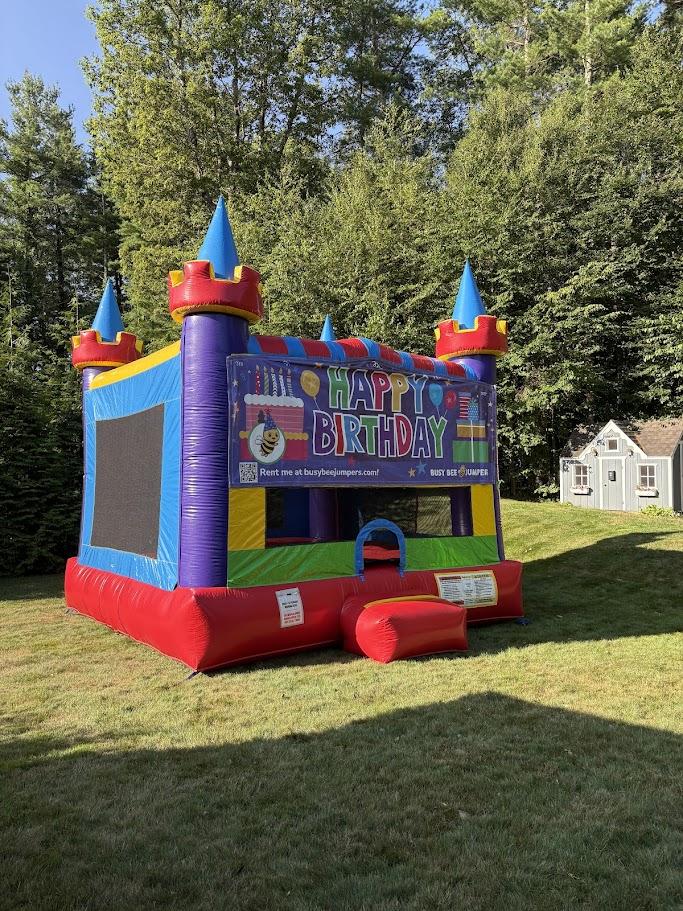
Event and party rental franchises may serve a wide range of personal celebrations, business functions, and community gatherings. The types of events a franchise can accommodate depend on its equipment, entertainment offerings, staffing, and operating model.
Common events and celebrations include:
- Birthday Parties: Children's birthdays, milestone celebrations, and adult birthday gatherings that may require inflatables, mobile entertainment, photo booths, or party equipment.
- Weddings and Anniversaries: Wedding ceremonies, receptions, engagement parties, bridal showers, and anniversary celebrations that may use photography services, entertainment, lighting, or event rentals.
- Graduation Parties: High school and college graduation celebrations that may feature yard greeting displays, photo booths, games, and party equipment.
- Holiday Parties: Christmas celebrations, Halloween events, Fourth of July gatherings, New Year's Eve parties, and other seasonal festivities.
- Corporate Events: Company picnics, employee appreciation events, holiday parties, team-building activities, conferences, and promotional gatherings.
- School and University Events: School carnivals, field days, dances, homecoming celebrations, fundraisers, and campus activities.
- Community Festivals and Fundraisers: Neighborhood celebrations, church events, nonprofit fundraisers, fairs, and public festivals.
- Family and Social Gatherings: Baby showers, gender reveal parties, family reunions, retirement celebrations, and other private gatherings.
Some franchise concepts specialize in particular occasions, while others serve multiple customer groups throughout the year. Understanding local event demand, seasonal booking patterns, and the services offered by a specific franchise can help prospective owners evaluate which business model best fits their market.
How to Start an Event & Party Rental Franchise Business
The event and party rental industry serves customers organizing celebrations, business functions, school activities, and community gatherings. Different types of events create opportunities for equipment rentals, entertainment services, temporary structures, and specialty furnishings. However, demand varies by location, customer preferences, and season, making market research an important first step for prospective owners.
Choosing an event and party rental franchise rather than starting an independent business may provide access to an established business plan that includes training, reservation systems, marketing programs and resources, supplier relationships, and operating procedures. These resources can be valuable for entrepreneurs who are new to equipment rentals or event services. However, the benefits depend on the franchise system, and purchasing a franchise does not eliminate the risks of business ownership.
Choose the Type of Services
Before starting, determine which type of event rental business interests you. A photo booth operation may involve portable technology and event staffing, while a tent rental business may require commercial vehicles, storage facilities, installation crews, and more extensive equipment inventories. The operational differences can influence startup costs, working hours, and your preferred role as an owner.
Due Diligence
Research available franchise opportunities and compare their initial investment requirements, training programs, ongoing fees, territory arrangements, and marketing support. Review the current Franchise Disclosure Document (FDD), including the sections addressing fees, startup costs, franchisee obligations, and any financial performance representations. Speaking with existing franchisees can also help you understand what daily operations look like after opening.
Franchisee Responsibilities
A franchise may provide an established system, but the owner is still responsible for managing employees, maintaining equipment, serving customers, and developing the local business. A willingness to learn, strong organizational skills, and attention to customer service can be useful qualities for prospective owners.
At Franchising Path, we help prospective franchise owners explore opportunities that align with their financial resources, professional experience, desired level of involvement, and long-term goals. Because franchise availability and business models vary, the first step is understanding which opportunities are actually available and whether their operating requirements fit your circumstances.
Things to Consider Before Starting Your Own Event & Party Rental Franchise
Several important decisions can help you narrow your options before investing in an event and party rental franchise, including the following considerations:
- Determine which event rental services interest you. Consider whether you prefer inflatable attractions, party equipment, wedding furnishings, photo booths, corporate event services, or specialty entertainment. Each category has different customers, equipment requirements, operating schedules, and levels of owner involvement.
- Conduct local market research. Evaluate the number of schools, wedding venues, businesses, community organizations, and event locations in your proposed territory. Research existing competitors, customer preferences, seasonal demand, and the types of rental services that may be underserved.
- Research different franchise opportunities. Compare franchise fees, estimated startup costs, required liquid capital, royalties, marketing contributions, training, equipment requirements, and territory availability. Request franchise information, review the FDD carefully, and speak with existing franchisees before narrowing your choices.
- Look for a franchise system that fits your ownership goals. Evaluate the franchisor's operating history, training, equipment standards, customer acquisition methods, and ongoing support. Consider whether the business model requires hands-on event work, employee supervision, or a management-focused approach. Understanding these responsibilities can help you choose an opportunity that supports the lifestyle you want.
- Compliance is another important consideration. Event rental businesses may need to follow state and local rules for temporary structures, inflatable attractions, commercial vehicles, equipment safety, and insurance. The franchisor may offer operational guidance, but owners should independently verify the requirements that apply to their location and services.
Once you choose a franchise, initial training may cover the company's operating systems, customer reservations, equipment procedures, marketing, and service standards. Some concepts also provide guidance on inventory management, delivery scheduling, installation, and employee training.
How Much Does It Cost to Start an Event & Party Rental Service?
Starting an event and party rental business requires an investment, but the amount varies significantly according to the services offered, equipment inventory, operating location, and franchise requirements.
Expenses may include franchise fees, rental equipment, vehicles, trailers, storage facilities, insurance, marketing, reservation software, employee training, and working capital. A specialized photo booth operation may have different financial requirements than a larger party rental operation that may require tents, furniture, trailers, cleaning equipment, and warehouse space. Review the franchisor's equipment specifications and startup requirements carefully before making purchases.
Careful budgeting is important during the early stages of ownership. Rental businesses may experience uneven bookings, seasonal demand, and equipment maintenance expenses. Prospective owners should estimate monthly operating costs and determine how much working capital may be needed while developing a customer base.
Franchising can provide established systems and supplier guidance, but it does not necessarily reduce every startup expense. Franchisees may also pay royalties, advertising contributions, and other ongoing fees. Reviewing Item 7 of the current FDD and discussing costs with existing franchisees can help you develop a more realistic understanding of the investment.
How to Grow an Event & Party Rental Franchise Business
Growing an event and party rental franchise requires consistent customer service, local marketing, dependable equipment, and relationships with organizations that regularly plan events. An established franchise brand may provide marketing resources and operating guidance, but local business development remains an important responsibility for the owner.
- Establish Strong Relationships: Build connections with wedding planners, schools, event venues, corporate event coordinators, community organizations, and local businesses. These relationships may create opportunities for referrals and repeat reservations. Maintaining equipment quality, communicating clearly, and delivering services on schedule can help strengthen customer trust and encourage positive reviews.
- Explore New Markets: Consider expanding into additional customer groups, nearby service areas, or complementary rental categories when demand and finances support the decision. A party equipment business might evaluate specialty furniture, while a photo booth operation could explore corporate event services. Review territory restrictions, staffing needs, equipment costs, and operational capacity before expanding.
Overall, growing an event and party rental franchise takes planning, customer relationship management, and careful financial decisions. Franchisor resources may support those efforts, but sustainable growth depends on providing services that customers value while controlling operating expenses.
Event & Party Rental Franchise Experience Requirements
Event and party rental franchise candidates should be organized, customer-focused, and comfortable coordinating schedules, equipment, and service expectations. Previous experience in event planning, equipment rentals, hospitality, or business management can be helpful, but it is not necessarily required for every franchise concept.
Franchisors may provide training in reservations, equipment handling, marketing, customer service, safety procedures, and daily operations. Some concepts require additional technical knowledge or trained employees, particularly when the business involves audiovisual equipment, temporary structures, or large attractions.
Before investing, consider whether you enjoy managing logistics, communicating with customers, supervising employees, and working around event schedules. The right franchise should match your abilities, willingness to learn, and preferred level of day-to-day involvement.
Special Requirements for Event & Party Rental Businesses
Event and party rental businesses have specific operational requirements because their equipment is transported, installed, and used at customer locations. Franchisors may provide procedures and training, but owners must understand the rules and responsibilities that apply to their services. Important considerations include:
- Compliance with Local Regulations: Review state and municipal requirements for rental operations, temporary structures, amusement equipment, business registration, zoning, and event installations. Requirements may vary by equipment type and location.
- Equipment Safety Procedures: Follow applicable manufacturer instructions, inspection schedules, installation procedures, and operating limitations. Inflatables, tents, electrical equipment, and interactive attractions may require particular attention to weather conditions, anchoring, and safe use.
- Appropriate Equipment and Services: Select rental products that are suitable for the intended event, location, and customers. Consider age recommendations, occupancy limits, space requirements, accessibility, and any restrictions associated with particular equipment.
- Staff Qualifications: Employees involved in transportation, installation, electrical equipment, or attraction operation may need specialized training or qualifications. Clear hiring standards, documented procedures, and appropriate supervision help support reliable service.
- Cleaning and Maintenance Standards: Rental products should be cleaned, inspected, and maintained between bookings. Owners need procedures for identifying damage, removing unsafe equipment from service, tracking repairs, and replacing items when necessary.
- Customer Agreements and Communication: Provide clear information about delivery, setup, equipment use, cancellation policies, weather-related changes, damage responsibilities, and collection schedules. Written rental agreements and timely communication can help prevent misunderstandings.
These requirements should be evaluated before purchasing a franchise. Understanding the equipment, staffing, and compliance responsibilities can help prospective owners determine whether the business model is suitable for their resources and management experience.
Certifications and Licenses in Some States for Event & Party Rental Franchises
Various licenses, permits, and qualifications may be required depending on the state, municipality, and equipment involved. Prospective owners should verify the requirements for their location before opening. Examples include:
- Business License
- Temporary Structure or Tent Installation Permits
- Amusement Ride or Inflatable Attraction Permits and Inspections, where applicable
- Commercial Driver's License or Other Vehicle Qualifications, when required
- Fire Safety, Electrical, or Equipment-Related Approvals, where applicable
Franchises vs. Independent
An independent event and party rental business allows owners to develop their own brand, select equipment, establish prices, and create operating procedures. However, independent owners must also build their own reservation systems, supplier relationships, marketing strategies, and training processes. Startup costs vary widely for both independent and franchised operations.
A franchise may offer brand recognition, established procedures, training, marketing support, and access to a network of other owners. In exchange, franchisees typically pay fees and agree to follow the franchisor's operating standards. Neither approach guarantees success, and the better choice depends on your financial resources, experience, and preference for independence or structured support.
Event & Party Rental Franchise Investment Cost
Investment requirements for event and party rental franchises vary widely based on the services offered, equipment needs, and operating model. Before making a commitment, review the complete startup budget, ongoing fees, working capital requirements, and the financial responsibilities associated with the business.
Different operating models may involve the following investment considerations:
- Lower-Overhead Event Rental Concepts: Specialized services such as certain photo booth, portable entertainment, or small-equipment rental businesses may require less storage space and fewer delivery resources than larger operations, and could range between $10,000 to $150,000. However, equipment purchases, technology, transportation, insurance, marketing, and franchise fees can still create significant startup expenses. Lower overhead does not necessarily mean a low total franchise investment.
- Mid-Scale Event Rental Operations: Businesses offering party furniture, inflatables, interactive attractions, or multiple rental categories may need larger inventories, delivery vehicles, storage facilities, and additional employees. Owners should evaluate equipment utilization, maintenance costs, reservation volume, and the amount of working capital needed during slower periods.
- Larger Event and Specialty Rental Operations: Businesses providing extensive tent inventories, commercial event structures, premium furniture collections, or complex audiovisual installations may require substantial equipment investments, commercial storage, specialized vehicles, and trained crews. The investment can range possibly between $470,900 to $1,131,167. These concepts can involve more complicated scheduling, safety procedures, and installation responsibilities.
These categories describe operational differences rather than fixed franchise investment tiers. Because startup investments differ by franchise system, prospective owners should compare the current Franchise Disclosure Documents for the specific brands they are considering rather than relying on general industry estimates. Item 7 provides estimated initial investment information, while Item 6 addresses other fees. If a franchisor makes financial performance representations, those must comply with applicable franchise disclosure requirements, including Item 19.
Seasonal revenue fluctuations are another important consideration. Weddings, graduations, festivals, and outdoor celebrations may generate more reservations during certain periods, while winter weather or regional event patterns may reduce demand at other times. Owners should plan for ongoing expenses even when booking activity slows. Maintaining equipment, developing business relationships, reviewing marketing performance, and preparing inventory for upcoming events can be useful activities during quieter periods.
Why an Event & Party Rental Franchise Is A Good Investment
An event and party rental franchise can be a worthwhile investment for the right entrepreneur, particularly someone interested in customer service, event operations, and building relationships within their local community. An established brand, operating procedures, training, marketing resources, and franchisor support may provide a useful starting point for entering the event services industry. Rather than developing every business process independently, franchise owners can evaluate an existing system and determine whether its requirements, costs, and support align with their goals.
Event rental businesses can serve a variety of customers, including families, schools, wedding planners, corporations, nonprofit organizations, and community groups. Providing equipment and entertainment for important occasions can be personally rewarding for owners who enjoy helping customers organize memorable experiences. Relationships with event venues, planners, and local organizations may also create opportunities for referrals and repeat bookings.
The rental business model allows equipment to be used for multiple events, which can create revenue opportunities over the useful life of an asset. However, financial results depend on booking demand, rental prices, equipment utilization, maintenance, transportation, staffing, and other expenses. Franchise ownership does not guarantee profitability, financial independence, or a particular work-life balance. Weekend schedules, seasonal demand, and hands-on operational responsibilities should be considered before investing.
If you have questions about the investment, franchise training, equipment requirements, or what ownership might look like, Franchising Path can help you explore available opportunities and compare business models based on your financial resources, professional experience, and personal goals. Our focus is on helping you make an informed decision about whether an event and party rental franchise is the right fit for you.
Explore other industries
- Automotive
- Beauty
- Business Services
- Children
- Cleaning & Maintenance
- Computer & Internet
- Education
- Event & Party Rental
- Financial & Tax Services
- Food & Drink
- Health & Fitness
- Home Services
- Junk Removal
- Mosquito Control
- Pets
- Photo & Video
- Printing & Packaging
- Roofing & Construction
- Senior Services
- Swim Schools
- Teen Driving Schools
- Travel
- Tree Service
- Water & Fire Restoration
Ready to start on your path?
A 15-minute call starts you on the path to find out whether franchising is right for you, and which brands fit your goals.