Perhaps you’ve noticed restoration trucks making their rounds after a storm and wondered, “Is that a business I could own?” As you delve deeper into the restoration industry, you’ll find yourself navigating two distinct paths: residential restoration and commercial restoration. While both sectors may use similar state-of-the-art equipment like dehumidifiers, air movers, and moisture meters, the experiences they offer can feel worlds apart.
The residential restoration business focuses on homeowners dealing with fire and water damage restoration, mold remediation, and other disasters. On the other hand, commercial properties require a rapid response as businesses face revenue loss with every hour of closure. Managing claims and working with insurance companies or claims adjusters might be more frequent in commercial restoration services.
These differences show up in how your phone rings with restoration requests, the type of customers you interact with, the systems and project management software you employ, and your investment in franchise-approved equipment. The dynamics of staffing, adhering to safety regulations and compliance, and handling insurance claims and insurance providers will also vary between residential and commercial projects.
As a prospective restoration franchise business owner, it’s crucial to understand the distinctions in business ownership, the restoration process, and the lifestyle that each type of restoration franchise offers.
This guide provides an educational overview, helping you identify which model, residential or commercial, aligns with your interests and goals. Remember to consult with a professional franchise consultant when making decisions about franchise agreements or investments in owning a restoration company.
What You Actually Buy: Residential vs Commercial Restoration Franchise Models
For a franchise owner, residential restoration usually means a local, consumer‑facing, territory‑based business, while commercial restoration means serving larger buildings through contracts and relationships.
In most established restoration and disaster recovery systems, that choice quietly decides who your customers are, how jobs arrive, and how your growth engine really works.
On paper, the service lines can look similar. In reality, the franchise agreement and support package hardwire how you win work and how you operate. That’s why you want to look beyond “we do water, fire, and mold” and ask exactly which clients, channels, and contracts the model is built around.
How Residential Restoration Franchises Are Structured
In a residential‑focused system, you’re typically buying:
- A protected territory defined by households, ZIP codes, or population.
- Training and systems tuned for homeowner calls and insurance claims.
- Marketing assets built around local search, reviews, and referral partners.
That setup keeps your attention on a defined local area and a high volume of smaller jobs driven by consumer demand. You win by being visible, fast, and reassuring when a homeowner is panicked and wants someone they can trust in their house.
A residential restoration business’s reputation lives and dies on customer service and how each family feels about you.
What Commercial‑Focused Restoration Franchises Emphasize
In a commercial‑leaning system, you’re usually buying:
- Access to the facility and property‑management relationships the brand has cultivated.
- Processes built for larger projects, formal documentation, and service‑level expectations.
- Support around bids, contracts, and sometimes national or regional account work.
Many brands now promise a hybrid path: start in residential restoration to build skills and cash flow, then layer in commercial work over time.
The key for you is to understand how explicit that progression is in the model, and how much of the commercial side is already wired in versus left for you to develop from scratch.
The Cost Structures that Shape Your First Five Years
In most reputable restoration franchises, residential restoration usually calls for lighter vehicles and equipment, plus more marketing, while commercial restoration leans toward heavier gear, more space, and deeper working capital because jobs are bigger and payments often take longer.
Neither model is automatically “cheaper”; the real issue is how much financial cushion you have and how patient you can be while the business ramps up.
In a consumer-first setup, your capital mostly supports lots of smaller, shorter jobs. In a commercial-dominant setup, your capital is tied up in larger mobilizations, longer payment cycles, and larger invoices. Either route can support a solid rest business if you execute well; they just stress-test your savings, borrowing capacity, and nerves in different ways.
Residential-dominant owners often:
- Start with one or two vans plus a core portable drying package.
- Put more of their early budget into marketing to drive homeowner calls quickly.
- See cash turn faster because most jobs are smaller, such as water damage, mold, and fire and smoke damage restoration, and wrap up sooner.
That pattern can feel more forgiving if you want steadier, earlier cash flow while you learn the business and build your confidence as a business owner.
Why Commercial Jobs Change Your Capital Needs
Commercial-focused owners often:
- Invest earlier in high-capacity dehumidifiers, negative-air machines, and temporary power.
- Need more warehouse space, trucks, state-of-the-art equipment, and project management capacity from day one.
- Wait longer between mobilizing for a large loss and getting fully paid from businesses, insurance companies, and commercial properties.
Here’s a simple side-by-side comparison of how the two models usually differ:
| Dimension | Residential Restoration | Commercial Restoration |
| Upfront capital | Lighter equipment and vehicles; more early marketing spend | Heavier gear, larger vehicles, and more space are required |
| Cash‑flow pattern | Many smaller, quicker‑paying jobs | Fewer, larger jobs with slower, milestone‑based payments |
| Job rhythm | High volume of short projects | Longer, more complex projects with bigger crews |
| Lead sources | Local search, reviews, and neighborhood reputation | Pre‑planned relationships, contracts, and account work |
| Risk shape | More frequent small exposures | Less frequent but higher‑stakes exposures |
| Growth arc | Volume, add‑on services, extra territories | Deeper key accounts and larger, specialized losses |
Either model can support attractive revenue levels over time. The real stress test is what happens if ramp‑up takes six to twelve months longer than you hoped.
The practical question is simple: given your savings, borrowing capacity, and household budget, which model lets you sleep at night if everything takes longer and costs more than your best‑case plan assumed?
Daily Operational Life of a Franchise Owner in Residential vs Commercial Restoration
Day to day, residential restoration feels like a fast‑moving, many‑jobs‑per‑week business, while commercial restoration feels more like running a small construction company with a few larger, longer projects.
In well‑run restoration franchises, the volume and rhythm of jobs, not just total revenue, set the tone for how your weeks actually feel. If capital sets the outer limits of what you can do, daily operations define how franchise ownership fits your energy and your family’s reality.
A Typical Week in Residential Restoration
In a residential-heavy franchise, a normal week might mean:
- Multiple short jobs per day spread across your territory, dealing with property restoration due to water, fire and smoke damage repair, or mold remediation.
- Fire or water restoration technicians rotating through an on-call schedule for after-hours disaster response.
- Frequent, emotionally charged conversations with homeowners in distress over property damage after an incident or natural disaster.
A residential franchise business owner often acts as the calming voice in a crisis, translating technical steps into plain language and ensuring compliance with safety standards. Keeping crews moving efficiently from job to job, often dealing with insurance claims, is crucial. Success comes from staying organized, communicating clearly, and maintaining standards consistent across numerous small but essential interactions with customers.
A Typical Week in Commercial Restoration
In a commercial-leaning book of business, you are more likely to manage:
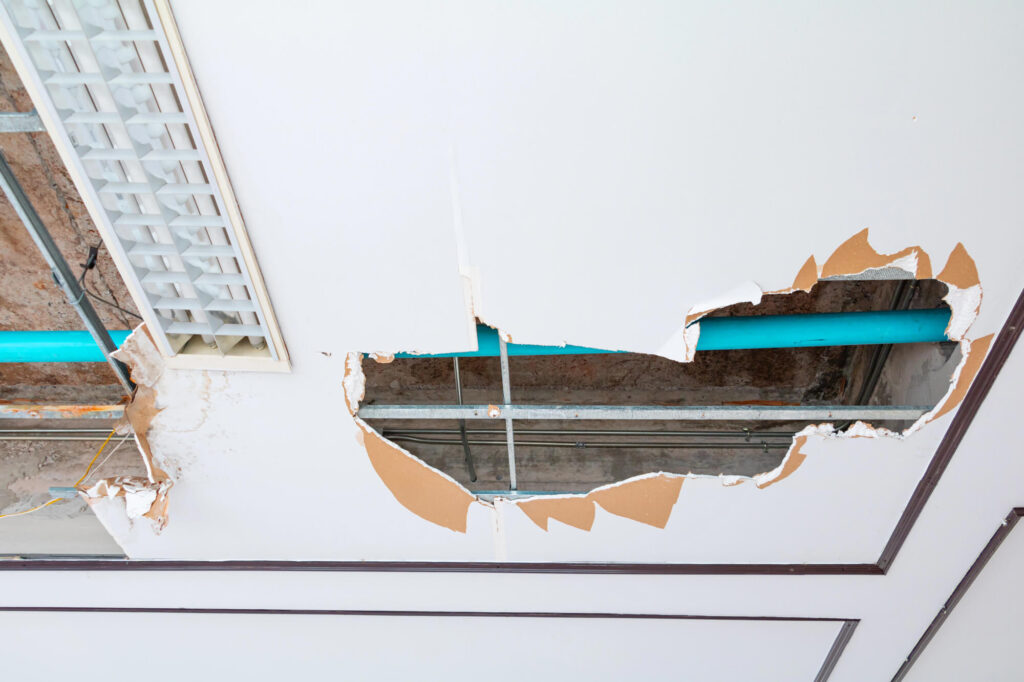
- One or a handful of sizable restoration projects, like fire or water damage restoration or biohazard cleanup in commercial properties, running for weeks at a time.
- Dedicated project managers, estimators, and safety leads coordinating with facility managers and compliance with building codes.
- Coordination with facility managers, other trades, and corporate stakeholders, including insurance providers and claims adjusters.
Commercial restoration operations reward owners who excel in project management, logistics, and leading specialists. It involves using state-of-the-art equipment such as dehumidifiers, air movers, moisture meters, and franchise-approved equipment for mold and mildew remediation.
Residential operations reward those who enjoy pace, variety, and direct consumer interaction, and who are comfortable building a tight, multi-skilled crew, often as a preferred vendor for insurance companies.
A blunt but useful question here is not “Which sounds bigger?” but “Which operating rhythm fits my energy, my household, and the kind of team I actually want to lead?” If you’re unsure, that’s a strong signal to talk through what a real week would look like in each model before you sign any franchise agreement.
Where Disaster Restoration Jobs Really Come From
In most markets, residential restoration services are mostly a marketing‑and‑response game, while commercial restoration is more of a relationship‑and‑preparation game.
One rewards quick reaction to inbound calls; the other rewards patient, proactive networking before anything ever floods or burns.
How Residential Restoration Owners Get Work
Residential restoration is largely a moment‑of‑need business. A pipe bursts, a washing machine overflows, or a small kitchen fire happens. The homeowner or property manager searches, calls, or asks a neighbor, and your odds of getting the job often come down to visibility and speed.
Your chances of winning a residential restoration job usually hinge on:
- How visible and credible you appear online and in the neighborhood.
- How fast your team responds to water damage, fire, or mold damage and can get on-site.
- How reassured and informed the caller feels in the first few minutes.
That favors business owners who like local marketing, reputation-building, and forming relationships with agents and small property managers. As a restoration business, you need to run a 24/7 local service brand that appears trustworthy to strangers in crisis, often facing issues like water damage, fire, and mold remediation.
How Commercial Restoration Owners Build a Pipeline
Commercial restoration is more about building relationships before disasters occur.
Managers of commercial properties, such as facility managers, risk managers, and insurers, often want to know their service providers ahead of time.
This approach involves:
- Meeting potential customers at association events and industry gatherings.
- Offering emergency response plans and disaster walk-throughs in advance.
- Staying present with periodic check-ins, education, and proof of performance.
Commercial decisions can involve multiple conversations, site visits, and approvals as stakeholders review scope, pricing, and contracts before the job is actually approved and begins.
Does your personality lean more toward fast, local wins or patient, B2B relationship-building that pays off over months and years? Understanding this can significantly influence your success in the restoration franchise landscape.
In either case, having the right systems, safety standards, franchise-approved equipment, and customer service strategies can enhance your business’s capability to address restoration challenges effectively.
Risk, Compliance, and Liability: The Exposures Owners Think About Most
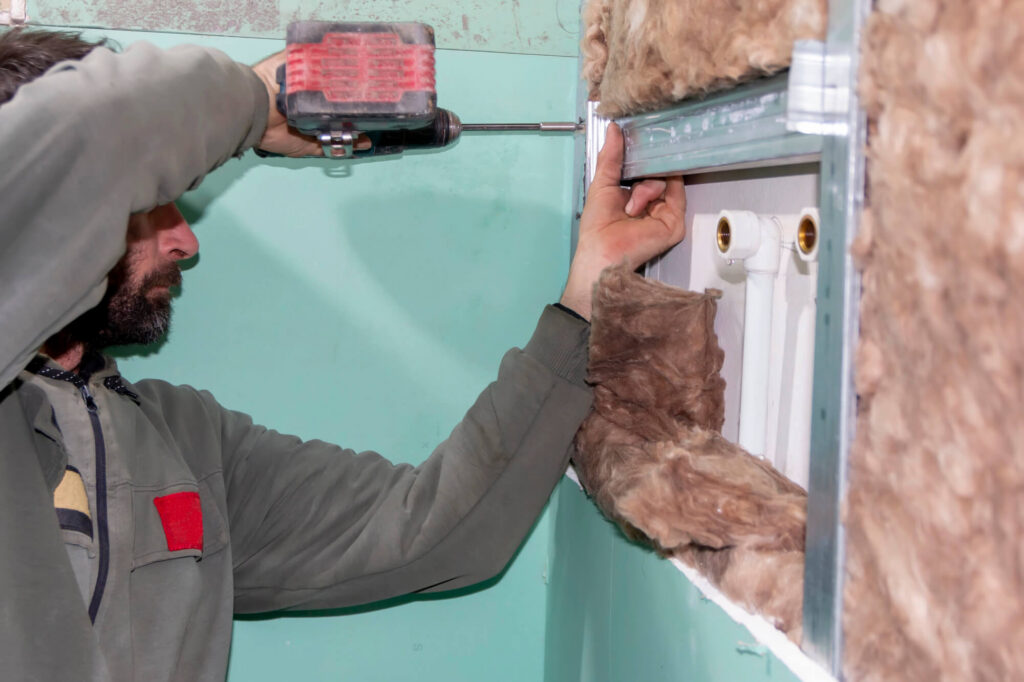
In any restoration franchise, you work in damaged buildings around potential health hazards, so safety, compliance, and documentation matter on every job.
Across both residential and commercial segments, you must take seriously:
- Exposure to mold, contaminated water, and smoke residues.
- The need for proper protective equipment and containment.
- The importance of following established technical standards, like those by the Institute of Inspection Cleaning and Restoration Certification.
Shared Safety Realities in Any Restoration Franchise
Even on smaller jobs, you are responsible for protecting your team, your customers, and your business. Reputable franchisors in the restoration industry lean heavily on formal training, standard operating procedures, and job documentation, so you are not guessing what “good” looks like under pressure. That support becomes a big part of what you’re paying for in the franchise agreement.
Extra Compliance Layers in Commercial Settings
A restoration company that focuses on commercial properties will deal with more layers.
Work in factories, schools, or healthcare facilities may demand:
- Stricter documentation and site access procedures.
- Coordination with existing safety programs and building systems.
- Higher limits in insurance policies to reflect greater business-interruption exposure.
Residential-dominant businesses often face more, smaller incidents of risk; commercial-dominant businesses may face fewer incidents but larger potential claims if something goes wrong.
Neither path is inherently “safe” or “unsafe,” but each carries a different shape of risk. The more you naturally respect checklists, reports, and audits, the more comfortable you are likely to feel leaning into the commercial side of the spectrum.
In both types of restoration services, using the right restoration equipment is a crucial tool that is part of the arsenal required to ensure efficient, effective, and compliant restoration processes, whether for water damage, mold remediation, or fire restoration.
Additionally, knowing your way around insurance claim management can bolster your business’s capacity to handle disasters and increase customer confidence in your services.
Growth, Margins, and Multi-Unit Play: Choosing a Scalable Path
In many mature restoration businesses, residential restoration typically scales by handling more jobs for homeowners, adding services like mold remediation and water damage restoration, and expanding territories. On the other hand, commercial restoration tends to grow by securing larger commercial restoration services contracts, deepening relationships with commercial property owners, and managing complex commercial property restoration projects that require specialized equipment, professional restoration teams, and the kind of proven track record that insurance providers and property managers demand before awarding significant work. Both models can support significant revenue growth and potential exit strategies — they simply organize business ownership in different ways.
Defining Your Long-Term Goals
Are you aiming to replace your current income with a single strong unit, or are you looking to build a multi-unit franchise business that is eventually sellable to a more sophisticated buyer? Your answer will determine the extent of commercial restoration complexity you opt for — including whether you want to invest in specialized equipment like air movers and thermal imaging cameras, build a rapid response team capable of providing immediate assistance when disaster strikes, and develop the restoration certification credentials and emergency response infrastructure that commercial property insurance carriers and property managers require from any commercial restoration company they route work to. How quickly you pursue that level of capability is a question your franchise agreement and your balance sheet will both have to answer.
How Residential-Focused Owners Typically Scale
A residential-dominant restoration franchise often grows by increasing job volume within a territory through targeted marketing and customer referrals, adding diverse service lines such as mold and mildew remediation including mold growth assessment and mold removal, fire damage restoration and smoke damage restoration, water damage restoration from burst pipes and flood damage, and structural repairs and structural damage restoration that return affected properties to pre loss condition. Expanding into adjacent territories as the team, systems, and restoration process mature is also a natural growth path for residential-focused owners who have built the operational foundation to support it.
This kind of growth rewards efficient project management, strong local branding, and the ability to develop leaders among your restoration technicians who can assess damage accurately, manage affected materials, coordinate debris removal, and execute an efficient restoration process with minimal disruption to the property owners they serve. It suits business owners who envision running a robust regional restoration company with a steady, repeatable book built on swift recovery outcomes and consistent service quality across a high volume of residential jobs.
How Commercial-Focused Owners Typically Scale
A commercial restoration company expands by deepening contracts with key accounts including office buildings, commercial property portfolios, and institutional clients who need a restoration partner capable of minimizing downtime and protecting business operations when property damage occurs. Building capabilities for larger and more specialized disaster losses — such as commercial storm damage restoration, commercial damage restoration following natural disasters, fire damage repair and smoke and soot remediation in commercial buildings, and structural damage restoration that addresses structural integrity and structural instability before they create additional health risks or further damage to the affected area — is central to this growth path. Hiring experienced senior project managers and estimators capable of running significant commercial restoration projects effectively, coordinating with insurance providers through the claims process, and communicating clearly with property managers and commercial property owners about restoration costs, timelines, and progress is also essential.
Commercial restoration services jobs typically involve higher revenue but are more margin-sensitive, as sophisticated buyers — often backed by commercial property insurance providers who scrutinize restoration costs, scope accuracy, and the efficiency of the restoration process closely — demand proven track records, restoration certification credentials, and the ability to minimize disruption to normal operations throughout the restoration effort. Professional restoration teams working on commercial property restoration projects are expected to use specialized equipment including thermal imaging cameras and air movers, execute structural repairs and roof repairs to address further destruction, manage smoke damage and fire smoke remediation, and restore structural elements and affected materials to pre loss condition with the speed and precision that commercial property owners require to protect lost revenue and business continuity. Residential margins depend more on efficient crew management, controlling overhead, and pricing strategies within local market norms.
Ultimately, many business owners blend both methods — starting with residential work to build consistent cash flow and gain experience and a reputation as a disaster restoration contractor capable of delivering swift recovery and efficient restoration process outcomes, then strategically pursuing commercial property restoration accounts and commercial restoration services contracts once the team, specialized equipment, and balance sheet are capable of supporting the emergency response demands, structural damage restoration complexity, and minimize downtime expectations that commercial property owners and their insurance providers require.
Deciding Which Path Fits You
Deciding which path aligns with how large you want your restoration business to become — and how actively involved you desire to be in the operations, the claims process coordination, the initial assessment of structural damage and affected area scope, and the day-to-day management of professional restoration teams across multiple active restoration projects — will guide the trajectory of your franchise ownership in the restoration industry.
Turning This Comparison Into a Clear Next Step
Right now, you might be weighing what residential and commercial restoration or reconstruction services business would actually mean for your money, your schedule, and your stress level — not just which label sounds more impressive. The real decision involves understanding what each path actually demands from you operationally: whether you are prepared to build the rapid response team, restoration certification portfolio, specialized equipment inventory, and insurance provider relationships that a credible commercial restoration company requires, or whether a residential-dominant model that grows through job volume, mold remediation, water damage restoration, fire damage restoration, and structural repairs is the better fit for your goals and lifestyle.
The real decision is about how you want to spend your days, how much risk you are comfortable carrying, and how you want your business to grow over time. A short, structured conversation can make that choice much clearer.
In a no-cost clarity call, you can walk through your background, finances, and goals and get a grounded view of how residential, commercial property restoration, or a staged hybrid approach to restoration services might fit you — along with practical next steps to validate that direction, including territory checks, conversations with restoration specialists currently operating in both sectors, and a realistic assessment of the restoration costs, claims process complexity, and minimize disruption expectations that each path involves.
The point is not to steer you into a sector — it is to make sure you understand what each path really asks of you before you commit. If you would like an experienced, non-salesy guide who has seen a wide range of restoration industry franchise models up close, Franchising Path can help you pressure-test your options and turn this comparison into a concrete plan you can either move forward with confidently, or choose not to, knowing exactly why.