When that roof leak that popped up after last night’s storm turns a bedroom into a shower, most people imagine they’ll have to pay to only see a branded truck and a few air movers drying the room later in the day.
What they don’t see is a tightly run water damage restoration services business that must be technically precise, financially disciplined, steady with stressed homeowners, and compliant with insurers and regulators every single day. If you’re a corporate professional, contractor, investor, or just someone with a desire for a career change and to take a plunge into the restoration industry, it’s worth understanding how that machine actually runs before deciding if you belong inside it.
Underneath the logo is a tightly defined operating franchise system: legal agreements, technical standards, insurance expectations, staffing realities, and a business that lives or dies on documentation and process, not just “showing up with equipment.”
This guide pulls back the curtain on how a property or water damage restoration franchise business actually operates, what owning one really involves, and what it takes to make it work long term without burning out.
The Basics of Water Damage Restoration Franchise Systems
Navigating the ins and outs of a water damage restoration franchise can pave the way for a successful business venture. This sector provides substantial franchise opportunities for aspiring entrepreneurs interested in being business owners within it. Whether it’s addressing water damage from a flooded basement, mitigating after a burst pipe, or tackling property damage restoration due to natural disasters, owning a franchise can be a rewarding experience both professionally and financially.
Why Consider Franchising in the Restoration Industry?
Franchises offer a significant advantage over starting a new business from scratch, particularly in complex and highly regulated sectors like restoration services. By investing in a proven franchise business model, you’ll gain access to established brand recognition that helps build a strong customer base. Franchisees benefit from a robust franchise system, which offers tried-and-tested procedures for marketing, operations, and customer interactions in disaster scenarios like flooding or fire and smoke damage.
- Franchise Model with Brand Support: With a franchise, you align yourself with an established brand and proven model, benefiting from the trust they’ve built with insurance companies and homeowners. This kind of brand recognition can be indispensable when dealing with sensitive situations like crime scene cleanup or mold remediation.
- Technical and Strategic Support: Many franchises provide comprehensive training programs, including IICRC-certified programs, which cover water mitigation, fire repairs, and sewage cleanup. This training and certification support ensures that you and your technicians are well-prepared to handle various restoration services with the required technical precision.
- Proven Systems and Equipment Access: Franchises equip you with the latest in industry-leading equipment like dehumidifiers, air movers, and moisture meters, along with software systems for efficient management of operations. This is crucial for maintaining indoor air quality and utilizing specialized equipment effectively.
Financial and Legal Dimensions of Franchise Ownership
Embarking on this business venture involves understanding the financial and legal landscapes characteristic of franchise models.
- Initial Investment and Franchise Fees: These encompass costs for specialized equipment, vehicles, and the franchise license itself. Additionally, you’ll commit to a royalty fee process, where a portion of your revenue funds ongoing support and improvements to the franchise system.
- Legal Documents and Compliance: Engaging with the Franchise Disclosure Document (FDD) provides clarity on startup costs, territory boundaries, operational guidelines, and dispute resolution. Familiarity with such documents helps ensure your business operates smoothly within the set franchise standards.
The Realities of Running a Restoration Franchise
Though the concept of a franchise may initially seem straightforward, it is a complex environment demanding adherence to the franchisor’s standards. The restoration industry operates at the confluence of regulations, safety protocols, and insurance obligations, requiring careful compliance with franchise guidelines.
- Challenges and Opportunities: The landscape includes not only water damage and storm recovery but also niche services like hoarding cleanup and fire damage restoration. Understanding the cost structure, from vehicles and personnel to administration, is essential. The royalty fees and other contributions are usually tied to gross sales, emphasizing the importance of efficient operations and strategic job selection.
- Market Trends and Networking: As climate change and aging infrastructure shape market demand, restoration companies positioned for new industry trends and referral opportunities will thrive. Networking opportunities with insurance adjusters and restoration professionals enhance your business’s resilience and growth.
- Community Engagement: Beyond the operational side, as a franchise owner, you often stand as a community hero, restoring normalcy in times of disaster and aiding with personal belongings and emotional recovery.
When you own a water damage restoration franchise, you not only gain an entrance into a lucrative market characterized by necessary and valued services, but you also invest in a structured, strategic partnership designed to ensure long-term income and business success.
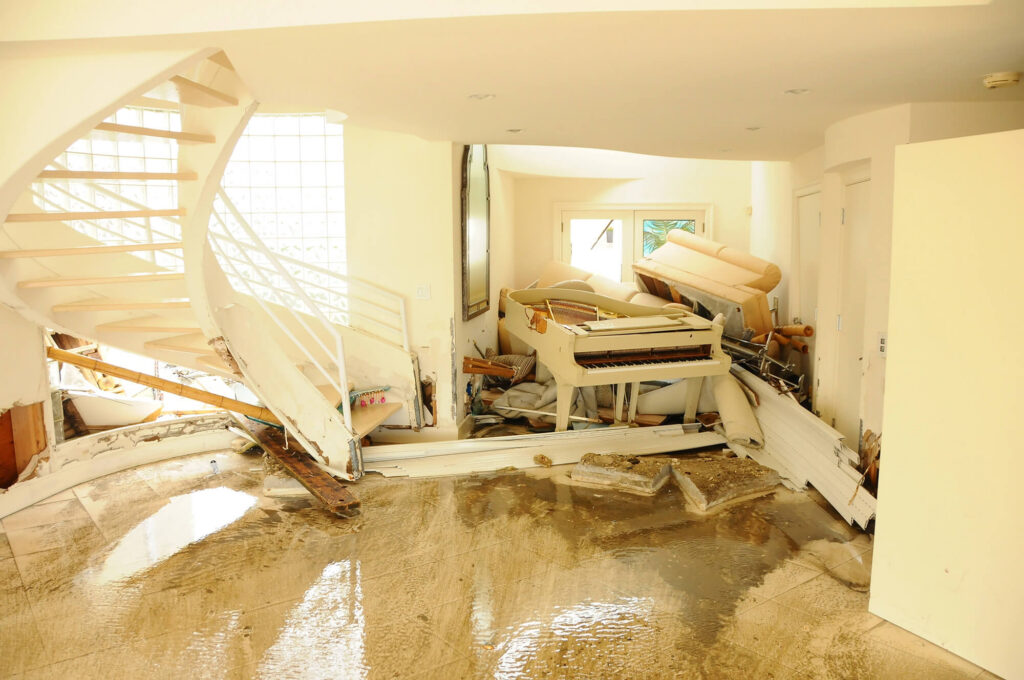
What Does a Typical Job Flow Look Like Day to Day?
A restoration company really lives in the pattern that repeats from emergency call to paid invoice. When you follow a single loss from the first ring, especially at an awkward hour, through stabilization, several days of drying, and the back‑and‑forth over the bill, you see why process and documentation matter as much as pumps and fans.
Most jobs start with an urgent call or online lead. Your office gathers basic details, dispatches a crew, and sets expectations with the customer. On-site, the team typically:
- Stabilizes the situation – stops the source if possible and checks basic safety.
- Documents the loss – photos, notes, moisture readings, and sketches.
- Builds a drying plan – equipment placement, demolition decisions, and visit schedule.
- Sets expectations – how long it may take and what disruption to expect.
Over the next few days, they return to monitor and adjust equipment until materials reach target dryness, then remove equipment and complete a walkthrough. Good job‑management software turns this into a visible pipeline instead of a collection of disconnected emergencies, which matters even more when crews are taking calls outside normal business hours.
Where Jobs Go Wrong
Money is often lost in small, preventable mistakes rather than dramatic failures. Common failure points include:
- Thin or late documentation, leading to scope disputes with adjusters.
- Missed wet areas, causing secondary damage and unpaid comeback work.
- Unclear scopes that leave what’s included open to argument.
- Poor communication, leaving customers or agents feeling ignored.
Your technicians can handle most of the technical workflow once trained, but decisions about unusual materials, pushback on price, or whether to walk away from a risky situation usually land with you or a manager.
When you talk with current franchise owners before signing the franchise agreement, ask how often they personally get pulled into tricky jobs and what training and support the franchise offers, so the whole water damage restoration business doesn’t depend on them being awake for every problem.
How Water Damage Restoration Franchises Make Money
In most markets, a large share of water damage revenue flows through insurance, directly or indirectly. That can provide stability and steady leads, but it also introduces rules, scorecards, and cash‑flow delays that you need to understand before you bank on the numbers.
H3: Common Lead Sources and Their Cash Flow Patterns
Jobs can come from homeowners who call you first, local agents who recommend you, third‑party administrators (TPAs) who manage vendor networks, or commercial clients with pre‑agreed relationships. Each source behaves a bit differently.
Here’s how they typically compare in practice:
- Homeowner direct work offers flexibility—but less predictability: You have more control over pricing and communication, and jobs can move faster when decisions are made on-site. However, payment timing depends on the homeowner’s situation and insurance involvement, which can vary from case to case.
- Agent referrals provide warm, repeat opportunities: Insurance agents and property managers often send work to vendors they trust. This can create steady referrals over time, but most jobs still run through insurance reimbursement, which can slow payment.
- TPA (program) work delivers volume—with tighter constraints: Third-party administrator programs can keep your schedule full with consistent assignments. In return, you operate within fixed pricing, strict documentation rules, and longer payment cycles.
- Commercial contracts bring scale—but more variability: Relationships with property managers, facilities teams, or multi-site operators can lead to larger jobs and ongoing work. Payment terms are often negotiated, but project size and timing can create bigger swings in cash flow.
Over time, many owners try to balance program work with more direct, commercial relationships so they aren’t exposed to a single referral source being turned down. If too much of your work depends on a single TPA or key referral partner, a policy change or staff turnover on their end can quickly hit your revenue.
Invoices might be based on time and materials, standardized unit pricing, or program‑specific price lists. Each business model has guardrails that limit how freely you can adjust prices or line items. Thin notes, unauthorized extra work, or billing outside policy coverage are all common reasons for reductions or denials that quietly erode profit.
Because payments can lag by weeks or months, you will usually need reserves or a line of credit to bridge payroll and vendor costs.
When you talk with franchisors and existing franchisees, ask how long their invoices typically take to be paid, how often they have to write anything off, and what they do when a major payer slows down unexpectedly.
Owner Roles in a Water Damage Restoration Franchise
The same franchise system can feel completely different depending on the role you choose to play inside it. Before you worry about brand names, it helps to be honest about how you actually want to spend your weeks and how close you want to be to emergency work.
Here is a high‑level comparison of typical business ownership models:
| Owner model | Day‑to‑day focus | Assessment |
| Owner‑operator | Hiring, job visits, local relationships, cash | Long hours and emotional proximity to work |
| GM‑led single uni | Oversight, culture, key accounts, coaching | Requires a strong, trusted general manager |
| Investor / multi‑unit | Leadership, metrics, capital allocation | More distance, but higher people complexity |
Across all models, you remain accountable for safety, quality, and reputation.
The New Framework: Restoration as an Integrated System
The easiest mistake is to see this as “a van and some fans.” In practice, a healthy restoration franchise is closer to a small, integrated system that has to satisfy insurers, safety rules, and customers at the same time. Over time, your job shifts from doing individual jobs to designing and maintaining that system.
Key Pieces Of A Working System
A mature operation usually has a few common building blocks:
- Safety and contamination protocols – written steps for different loss types.
- Technical standards – clear rules for demolition, drying, and clearance.
- Job‑management and restoration software – one source of truth for notes and photos.
- Supervision and audits – field checks that confirm standards are followed.
- Metrics and reviews – cycle times, callbacks, and complaint trends.
Those elements work together, so technicians are rarely improvising in isolation. When someone is standing in a wet, contaminated space after hours, you want training, checklists, and backup available so they aren’t guessing alone.
When you evaluate water damage remediation franchise brands, look for how well they’ve already built and documented these pieces versus leaving you to assemble them yourself from scratch, and ask existing owners how consistently those systems are actually used in the field.
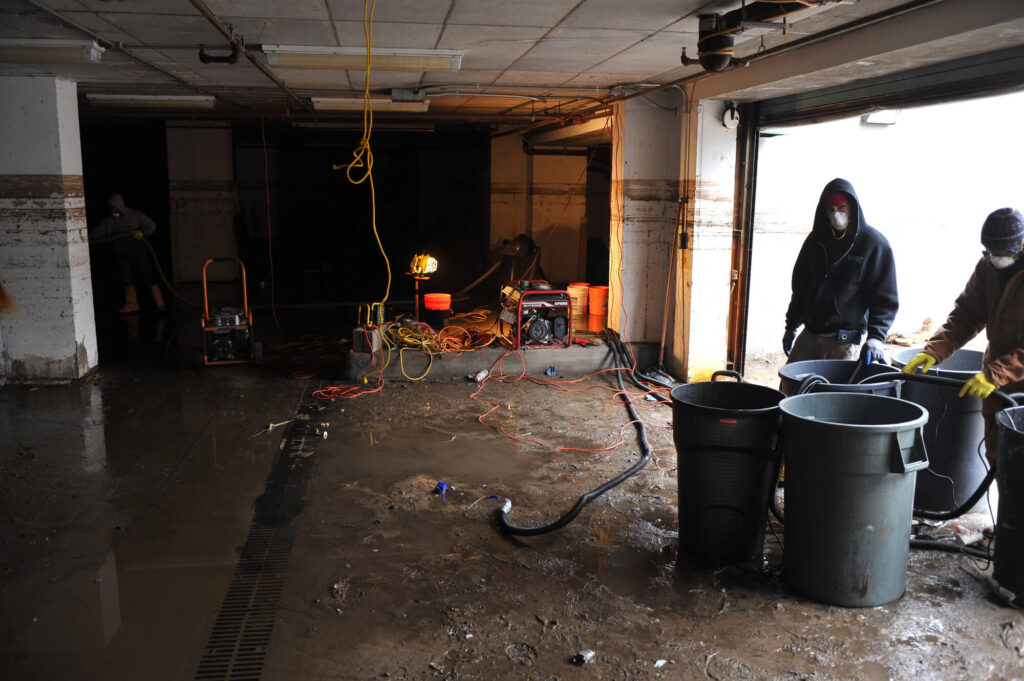
Staffing, 24/7 Readiness, and Scaling Without Burning Out
The 24/7 promise that attracts customers only works if your staffing model can deliver it without grinding people down. That applies to both your field team and your household. A sustainable restoration business is one where the phone can ring at awkward times without the entire operation relying on one or two exhausted people.
Building The Team
Most units rely on a small, mixed team rather than a single “hero tech.” A typical structure includes:
- Entry‑level technicians – do the heavy lifting and learn the trade.
- Lead technicians – make technical calls and mentor newer staff.
- Office coordinators – handle intake, scheduling, and paperwork.
- An operations manager or GM – keeps jobs, people, and numbers aligned.
In a tight labor market, you’re often competing with construction, logistics, and other trades.
Many franchisors promise help with recruiting; during due diligence, ask exactly what that looks like in practice, job‑ad templates, preferred staffing vendors, interview guides, or something else.
Dos and Don’ts for Scheduling in Water Damage Restoration Franchise Businesses
Do:
- Implement on-call rotations: Spread night and weekend duties across the team to avoid exhausting any single individual.
- Set clear compensation and rest expectations: Ensure staff know how they will be rewarded for on-call duties and when they can expect dedicated rest periods.
- Include regular performance reviews: Schedule performance reviews, toolbox talks, and safety refreshers to maintain high standards and encourage growth.
- Provide true off-duty windows: Clearly define non-working hours to help staff recharge and maintain work-life balance.
- Have backup coverage and contingency plans: Plan for big weather events to ensure coverage without overwhelming your team.
Don’t:
- Burden a single technician with every after-hours call: This can lead to mistakes, resentment, and high turnover rates.
- Ignore the importance of thoughtful scheduling: Failing to plan properly can hurt your family life and damage your company’s reputation.
- Overlook the significance of rest and recovery: Without sustainable scheduling, you risk churning staff, disappointing partners, and stalling company growth.
When you talk with existing franchisees, ask how often they’re personally disrupted by after‑hours work today and what they changed over time to make the load sustainable for themselves and their teams.
How to Evaluate a Water Damage Restoration Franchise Before You Commit
If restoration interests you, the next step is not picking a logo. You need to now pressure-test whether this model fits your capital, temperament, and local market. Smart due diligence slows you down just enough to see the moving parts clearly before you commit to a long agreement.
A practical due‑diligence path usually includes:
- Reading the FDD with help, especially fees, territory, and financial performance.
- Ask strategic questions to the franchisor about certifications, staff, and equipment at the start, and support during large-scale natural disasters, etc.
- Speaking with multiple existing owners, not just the strongest performers.
- Clarifying licensing, insurance, and safety expectations in your state.
Those conversations are where you learn how closely the sales story matches day‑to‑day reality. You’re looking less for a perfect answer and more for patterns:
- What most owners wish they had known
- What surprised them in the first three years
- How the franchisor behaves when things are difficult.
Legal and financial advice about your specific situation should come from professionals you hire, not from the franchisor or any advisor who might be paid if you buy.
When a Water Damage Restoration Franchise Deserves a Closer Look With a Consultant
By now, you can see that a water damage restoration franchise can be hard, but rewarding work, that’s not a simple “buy yourself a job,” and it’s certainly not a shortcut to easy money.
If you find yourself picturing what this would mean for your weeks, your family, and your career, that’s the moment to slow down and talk it through with someone who isn’t trying to sell you a specific brand.
A free, brand‑agnostic conversation with Franchising Path can help you stress‑test your goals, capital plan, and time expectations, frame better questions for franchisors and existing owners, and decide whether restoration genuinely belongs on your shortlist.
If it does, you move forward with clearer eyes; if it doesn’t, you’ve saved yourself a long, anxious maybe and preserved your energy for opportunities that fit you better.