• Skip to main content
  • Skip to footer
(866) 714-7703 Get a FREE Consultation

Franchising Path

Connecting You to Your Future

  • Find Your Franchise
    • Automotive Franchises
    • Beauty Franchises
    • Business Opportunities Franchises
    • Business Services Franchises
    • Children Franchises
    • Cleaning And Maintenance Franchises
    • Crime Scene Cleanup Franchises
    • Critter Control Franchises
    • Computer and internet Franchises
    • Construction Franchises
    • Education Franchises
    • Financial Services Franchises
    • Food & Drinks Franchises
    • Health & Fitness Franchises
    • Home Related Franchises
    • Junk Removal Franchises
    • Mosquito Franchises
    • Pets Franchises
    • Pest Control Franchises
    • Photo and Video Franchises
    • Plumbing Franchises
    • Printing and Packaging Franchises
    • Senior Services Franchises
    • Taxes Franchises
    • Travel Franchises
    • Tree Removal Franchises
    • Water, smoke, mold damage Franchises
  • Success Stories
  • Our Process
  • Franchise Consulting

Ryan Perry

How a Water Damage Restoration Franchise Works

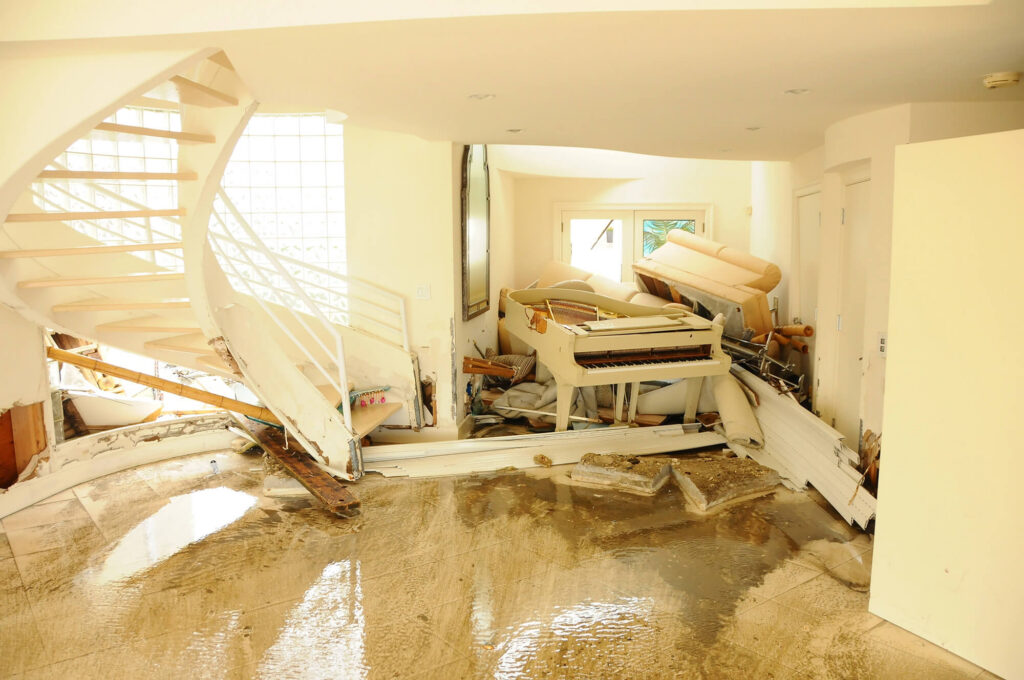
When that roof leak that popped up after last night’s storm turns a bedroom into a shower, most people imagine they’ll have to pay to only see a branded truck and a few air movers drying the room later in the day.

What they don’t see is a tightly run water damage restoration services business that must be technically precise, financially disciplined, steady with stressed homeowners, and compliant with insurers and regulators every single day. If you’re a corporate professional, contractor, investor, or just someone with a desire for a career change and to take a plunge into the restoration industry, it’s worth understanding how that machine actually runs before deciding if you belong inside it.

Underneath the logo is a tightly defined operating franchise system: legal agreements, technical standards, insurance expectations, staffing realities, and a business that lives or dies on documentation and process, not just “showing up with equipment.”

This guide pulls back the curtain on how a property or water damage restoration franchise business actually operates, what owning one really involves, and what it takes to make it work long term without burning out.

The Basics of Water Damage Restoration Franchise Systems

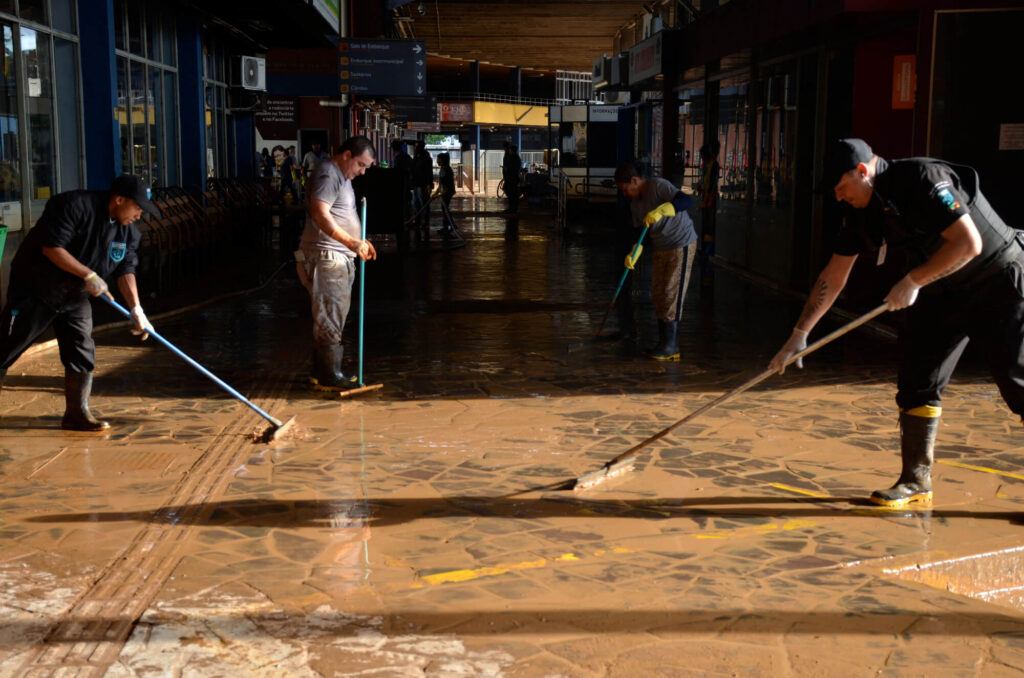
Navigating the ins and outs of a water damage restoration franchise can pave the way for a successful business venture. This sector provides substantial franchise opportunities for aspiring entrepreneurs interested in being business owners within it. Whether it’s addressing water damage from a flooded basement, mitigating after a burst pipe, or tackling property damage restoration due to natural disasters, owning a franchise can be a rewarding experience both professionally and financially.

Why Consider Franchising in the Restoration Industry?

Franchises offer a significant advantage over starting a new business from scratch, particularly in complex and highly regulated sectors like restoration services. By investing in a proven franchise business model, you’ll gain access to established brand recognition that helps build a strong customer base. Franchisees benefit from a robust franchise system, which offers tried-and-tested procedures for marketing, operations, and customer interactions in disaster scenarios like flooding or fire and smoke damage.

  • Franchise Model with Brand Support: With a franchise, you align yourself with an established brand and proven model, benefiting from the trust they’ve built with insurance companies and homeowners. This kind of brand recognition can be indispensable when dealing with sensitive situations like crime scene cleanup or mold remediation.
  • Technical and Strategic Support: Many franchises provide comprehensive training programs, including IICRC-certified programs, which cover water mitigation, fire repairs, and sewage cleanup. This training and certification support ensures that you and your technicians are well-prepared to handle various restoration services with the required technical precision.
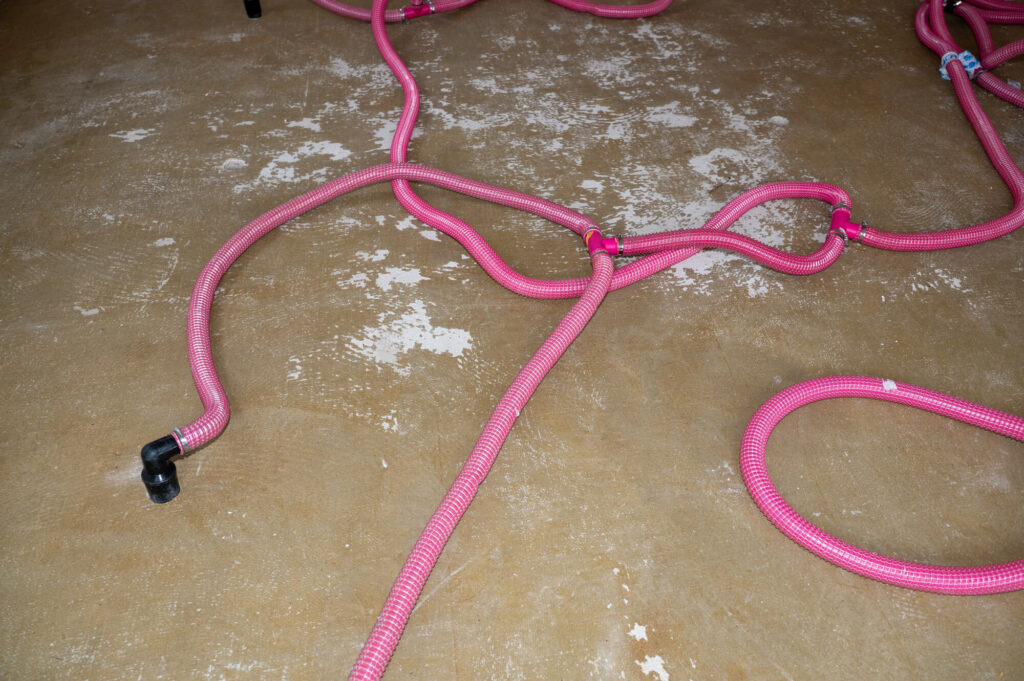
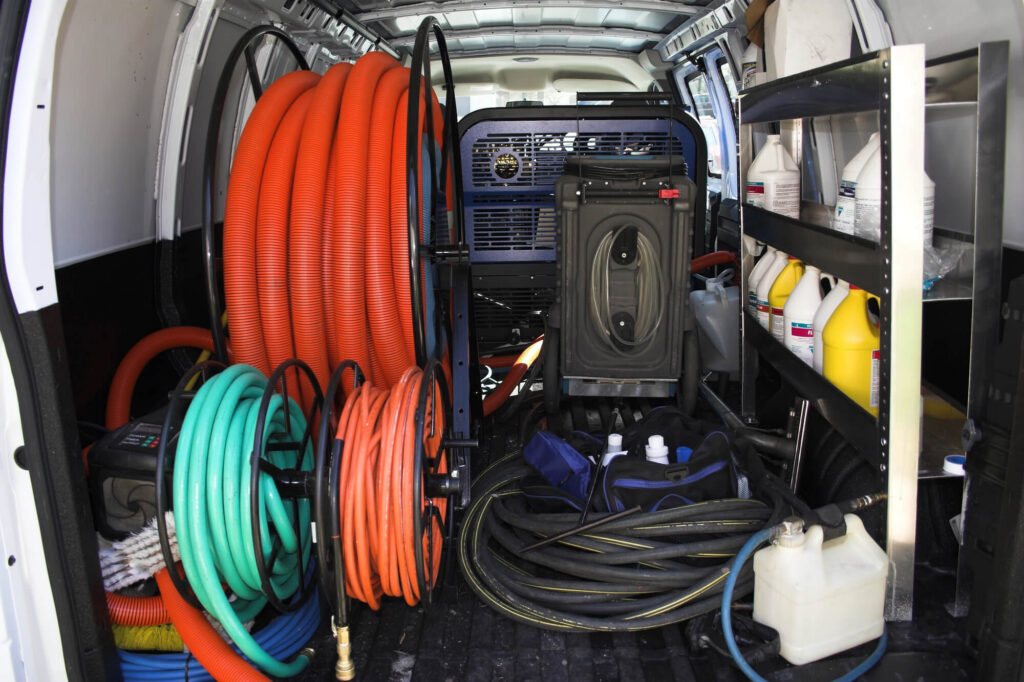
  • Proven Systems and Equipment Access: Franchises equip you with the latest in industry-leading equipment like dehumidifiers, air movers, and moisture meters, along with software systems for efficient management of operations. This is crucial for maintaining indoor air quality and utilizing specialized equipment effectively.

Financial and Legal Dimensions of Franchise Ownership

Embarking on this business venture involves understanding the financial and legal landscapes characteristic of franchise models.

  • Initial Investment and Franchise Fees: These encompass costs for specialized equipment, vehicles, and the franchise license itself. Additionally, you’ll commit to a royalty fee process, where a portion of your revenue funds ongoing support and improvements to the franchise system.
  • Legal Documents and Compliance: Engaging with the Franchise Disclosure Document (FDD) provides clarity on startup costs, territory boundaries, operational guidelines, and dispute resolution. Familiarity with such documents helps ensure your business operates smoothly within the set franchise standards.

The Realities of Running a Restoration Franchise

Though the concept of a franchise may initially seem straightforward, it is a complex environment demanding adherence to the franchisor’s standards. The restoration industry operates at the confluence of regulations, safety protocols, and insurance obligations, requiring careful compliance with franchise guidelines.

  • Challenges and Opportunities: The landscape includes not only water damage and storm recovery but also niche services like hoarding cleanup and fire damage restoration. Understanding the cost structure, from vehicles and personnel to administration, is essential. The royalty fees and other contributions are usually tied to gross sales, emphasizing the importance of efficient operations and strategic job selection.
  • Market Trends and Networking: As climate change and aging infrastructure shape market demand, restoration companies positioned for new industry trends and referral opportunities will thrive. Networking opportunities with insurance adjusters and restoration professionals enhance your business’s resilience and growth.
  • Community Engagement: Beyond the operational side, as a franchise owner, you often stand as a community hero, restoring normalcy in times of disaster and aiding with personal belongings and emotional recovery.

When you own a water damage restoration franchise, you not only gain an entrance into a lucrative market characterized by necessary and valued services, but you also invest in a structured, strategic partnership designed to ensure long-term income and business success.

How Water Damage Restoration Franchises Work

What Does a Typical Job Flow Look Like Day to Day?

A restoration company really lives in the pattern that repeats from emergency call to paid invoice. When you follow a single loss from the first ring, especially at an awkward hour, through stabilization, several days of drying, and the back‑and‑forth over the bill, you see why process and documentation matter as much as pumps and fans.

Most jobs start with an urgent call or online lead. Your office gathers basic details, dispatches a crew, and sets expectations with the customer. On-site, the team typically:

  • Stabilizes the situation – stops the source if possible and checks basic safety.
  • Documents the loss – photos, notes, moisture readings, and sketches.
  • Builds a drying plan – equipment placement, demolition decisions, and visit schedule.
  • Sets expectations – how long it may take and what disruption to expect.

Over the next few days, they return to monitor and adjust equipment until materials reach target dryness, then remove equipment and complete a walkthrough. Good job‑management software turns this into a visible pipeline instead of a collection of disconnected emergencies, which matters even more when crews are taking calls outside normal business hours.

Where Jobs Go Wrong

Money is often lost in small, preventable mistakes rather than dramatic failures. Common failure points include:

  • Thin or late documentation, leading to scope disputes with adjusters.
  • Missed wet areas, causing secondary damage and unpaid comeback work.
  • Unclear scopes that leave what’s included open to argument.
  • Poor communication, leaving customers or agents feeling ignored.

Your technicians can handle most of the technical workflow once trained, but decisions about unusual materials, pushback on price, or whether to walk away from a risky situation usually land with you or a manager.

When you talk with current franchise owners before signing the franchise agreement, ask how often they personally get pulled into tricky jobs and what training and support the franchise offers, so the whole water damage restoration business doesn’t depend on them being awake for every problem.

How Water Damage Restoration Franchises Make Money

In most markets, a large share of water damage revenue flows through insurance, directly or indirectly. That can provide stability and steady leads, but it also introduces rules, scorecards, and cash‑flow delays that you need to understand before you bank on the numbers.

Common Lead Sources and Their Cash Flow Patterns

Jobs can come from homeowners who call you first, local agents who recommend you, third‑party administrators (TPAs) who manage vendor networks, or commercial clients with pre‑agreed relationships. Each source behaves a bit differently.

Here’s how they typically compare in practice:

  • Homeowner direct work offers flexibility—but less predictability: You have more control over pricing and communication, and jobs can move faster when decisions are made on-site. However, payment timing depends on the homeowner’s situation and insurance involvement, which can vary from case to case.
  • Agent referrals provide warm, repeat opportunities: Insurance agents and property managers often send work to vendors they trust. This can create steady referrals over time, but most jobs still run through insurance reimbursement, which can slow payment.
  • TPA (program) work delivers volume—with tighter constraints: Third-party administrator programs can keep your schedule full with consistent assignments. In return, you operate within fixed pricing, strict documentation rules, and longer payment cycles.
  • Commercial contracts bring scale—but more variability: Relationships with property managers, facilities teams, or multi-site operators can lead to larger jobs and ongoing work. Payment terms are often negotiated, but project size and timing can create bigger swings in cash flow.

Over time, many owners try to balance program work with more direct, commercial relationships so they aren’t exposed to a single referral source being turned down. If too much of your work depends on a single TPA or key referral partner, a policy change or staff turnover on their end can quickly hit your revenue.

Invoices might be based on time and materials, standardized unit pricing, or program‑specific price lists. Each business model has guardrails that limit how freely you can adjust prices or line items. Thin notes, unauthorized extra work, or billing outside policy coverage are all common reasons for reductions or denials that quietly erode profit.

Because payments can lag by weeks or months, you will usually need reserves or a line of credit to bridge payroll and vendor costs.

When you talk with franchisors and existing franchisees, ask how long their invoices typically take to be paid, how often they have to write anything off, and what they do when a major payer slows down unexpectedly.

Owner Roles in a Water Damage Restoration Franchise

The same franchise system can feel completely different depending on the role you choose to play inside it. Before you worry about brand names, it helps to be honest about how you actually want to spend your weeks and how close you want to be to emergency work.

Here is a high‑level comparison of typical business ownership models:

Owner model Day‑to‑day focus Assessment
Owner‑operator Hiring, job visits, local relationships, cash Long hours and emotional proximity to work
GM‑led single uni Oversight, culture, key accounts, coaching Requires a strong, trusted general manager
Investor / multi‑unit Leadership, metrics, capital allocation More distance, but higher people complexity

Across all models, you remain accountable for safety, quality, and reputation.

The New Framework: Restoration as an Integrated System

The easiest mistake is to see this as “a van and some fans.” In practice, a healthy restoration franchise is closer to a small, integrated system that has to satisfy insurers, safety rules, and customers at the same time. Over time, your job shifts from doing individual jobs to designing and maintaining that system.

Key Pieces Of A Working System

A mature operation usually has a few common building blocks:

  • Safety and contamination protocols – written steps for different loss types.
  • Technical standards – clear rules for demolition, drying, and clearance.
  • Job‑management and restoration software – one source of truth for notes and photos.
  • Supervision and audits – field checks that confirm standards are followed.
  • Metrics and reviews – cycle times, callbacks, and complaint trends.

Those elements work together, so technicians are rarely improvising in isolation. When someone is standing in a wet, contaminated space after hours, you want training, checklists, and backup available so they aren’t guessing alone.

When you evaluate water damage remediation franchise brands, look for how well they’ve already built and documented these pieces versus leaving you to assemble them yourself from scratch, and ask existing owners how consistently those systems are actually used in the field.

How Water Damage Restoration Franchises Work

Staffing, 24/7 Readiness, and Scaling Without Burning Out

The 24/7 promise that attracts customers only works if your staffing model can deliver it without grinding people down. That applies to both your field team and your household. A sustainable restoration business is one where the phone can ring at awkward times without the entire operation relying on one or two exhausted people.

Building The Team

Most units rely on a small, mixed team rather than a single “hero tech.” A typical structure includes:

  • Entry‑level technicians – do the heavy lifting and learn the trade.
  • Lead technicians – make technical calls and mentor newer staff.
  • Office coordinators – handle intake, scheduling, and paperwork.
  • An operations manager or GM – keeps jobs, people, and numbers aligned.

In a tight labor market, you’re often competing with construction, logistics, and other trades.

Many franchisors promise help with recruiting; during due diligence, ask exactly what that looks like in practice, job‑ad templates, preferred staffing vendors, interview guides, or something else.

Dos and Don’ts for Scheduling in Water Damage Restoration Franchise Businesses

Do:

  • Implement on-call rotations: Spread night and weekend duties across the team to avoid exhausting any single individual.
  • Set clear compensation and rest expectations: Ensure staff know how they will be rewarded for on-call duties and when they can expect dedicated rest periods.
  • Include regular performance reviews: Schedule performance reviews, toolbox talks, and safety refreshers to maintain high standards and encourage growth.
  • Provide true off-duty windows: Clearly define non-working hours to help staff recharge and maintain work-life balance.
  • Have backup coverage and contingency plans: Plan for big weather events to ensure coverage without overwhelming your team.

Don’t:

  • Burden a single technician with every after-hours call: This can lead to mistakes, resentment, and high turnover rates.
  • Ignore the importance of thoughtful scheduling: Failing to plan properly can hurt your family life and damage your company’s reputation.
  • Overlook the significance of rest and recovery: Without sustainable scheduling, you risk churning staff, disappointing partners, and stalling company growth.

When you talk with existing franchisees, ask how often they’re personally disrupted by after‑hours work today and what they changed over time to make the load sustainable for themselves and their teams.

How to Evaluate a Water Damage Restoration Franchise Before You Commit

If restoration interests you, the next step is not picking a logo. You need to now pressure-test whether this model fits your capital, temperament, and local market. Smart due diligence slows you down just enough to see the moving parts clearly before you commit to a long agreement.

A practical due‑diligence path usually includes:

  • Reading the FDD with help, especially fees, territory, and financial performance.
  • Ask strategic questions to the franchisor about certifications, staff, and equipment at the start, and support during large-scale natural disasters, etc.
  • Speaking with multiple existing owners, not just the strongest performers.
  • Clarifying licensing, insurance, and safety expectations in your state.

Those conversations are where you learn how closely the sales story matches day‑to‑day reality. You’re looking less for a perfect answer and more for patterns:

  • What most owners wish they had known
  • What surprised them in the first three years
  • How the franchisor behaves when things are difficult.

Legal and financial advice about your specific situation should come from professionals you hire, not from the franchisor or any advisor who might be paid if you buy.

When a Water Damage Restoration Franchise Deserves a Closer Look With a Consultant

By now, you can see that a water damage restoration franchise can be hard, but rewarding work, that’s not a simple “buy yourself a job,” and it’s certainly not a shortcut to easy money.

If you find yourself picturing what this would mean for your weeks, your family, and your career, that’s the moment to slow down and talk it through with someone who isn’t trying to sell you a specific brand.

A free, brand‑agnostic conversation with Franchising Path can help you stress‑test your goals, capital plan, and time expectations, frame better questions for franchisors and existing owners, and decide whether restoration genuinely belongs on your shortlist.

If it does, you move forward with clearer eyes; if it doesn’t, you’ve saved yourself a long, anxious maybe and preserved your energy for opportunities that fit you better.

Facial Bar Franchise Opportunity: Why Routine Skincare Is Driving Growth

The Shift From Occasional Facials to Routine Skincare

Modern skincare studio interior with facial treatment rooms and product display shelves
Modern skincare studios are making professional facial treatments easier to access and incorporate into regular routines.

Skincare Is No Longer an Occasional Luxury

For years, professional facials were treated as something people did occasionally.

A birthday treat.
A vacation splurge.
Something saved for special events.

But that mindset has been changing.

As skincare education becomes more accessible and consumers pay closer attention to long term skin health, professional treatments are starting to look less like indulgence and more like routine maintenance.

Just like haircuts, gym memberships, or dental cleanings, skincare is gradually becoming something people schedule regularly instead of occasionally.

That growing awareness is creating space for new types of skincare service concepts.


Curious how this shift is creating new business opportunities?

Explore what ownership in this category can look like.


The Rise of Routine Skincare

Consumers today understand that good skin rarely comes from a single appointment.

Consistency matters.

Regular treatments help maintain results, address new concerns, and support the effectiveness of products used at home.

Because of this, many clients now prefer services that are designed to fit into their schedules more easily. Instead of spending half a day at a spa, they are choosing focused treatments that deliver results in less time.

Shorter, targeted appointments allow skincare to become part of a monthly routine rather than a rare experience.

When a service fits naturally into someone’s lifestyle, repeat visits follow.


If a business built around repeat clients interests you, this may be worth exploring.


Why Simpler Concepts Are Gaining Attention

Traditional spas often offer large menus of treatments that require long appointments and complex scheduling.

While that approach still has its place, many consumers are looking for something more straightforward.

A focused skincare studio simplifies the experience.

Clients know exactly what services are available. Appointment times are easier to book. Treatments are efficient but still effective. The environment feels modern and approachable rather than formal or intimidating.

This structure makes professional skincare easier for people to incorporate into their regular routine. And when something becomes part of a routine, demand tends to grow.


Some opportunities are built on trends. Others are built on habits.

Learn how this concept is structured behind the scenes.


A Business Model Built Around Frequency

From a business perspective, frequency is one of the most important factors in service industries.

Businesses that rely on occasional visits must constantly search for new customers. Businesses that encourage regular visits build momentum through repeat clients.

Skincare naturally supports that second model.

Clients who see visible improvements often return monthly. Many also purchase products recommended by their skincare professional to maintain results between visits.

Over time this creates a combination of service revenue, membership programs, and retail sales that all reinforce each other.

The result is a business that grows through ongoing relationships rather than one time transactions.


Businesses built on relationships tend to last longer.

See how this model is designed to support long term growth.


A Category That Continues to Expand

The beauty services market continues to expand as consumers invest more in self care, personal appearance, and wellness.

Within that larger industry, skincare services have become one of the fastest growing segments. Education through social media, dermatology content, and product transparency has made consumers more aware of what professional treatments can accomplish.

At the same time, modern service concepts have made those treatments easier to access.

When awareness and accessibility increase at the same time, demand tends to follow.

That is exactly what the skincare category is experiencing right now.


Industries evolve. The question is whether you want to participate in the next phase.


When Business Ownership Meets a Growing Trend

For entrepreneurs exploring opportunities in the beauty industry, the appeal of this category often becomes clear after looking at how the business model works in practice.

Professional skincare services operate at the intersection of expertise, routine care, and customer relationships. Clients return because they see results and trust the guidance they receive.

That relationship creates loyalty that many service businesses struggle to achieve.

The real question for many prospective owners is not whether people care about skincare.

It is whether they want to participate in a business that is positioned inside a growing consumer habit.

Understanding the business model is the first step.

The next step is simply learning how it operates behind the scenes and deciding whether it aligns with the kind of business you want to build.

If the idea of owning a business in the self care space feels worth exploring, scheduling a conversation is often the easiest way to start evaluating whether the opportunity fits your goals.


Pro Tip:


Every business opportunity looks interesting on paper.

What matters more is understanding how the model actually works in the real world. How clients are attracted. How revenue is generated. And what daily ownership really looks like.


A short conversation can answer questions that hours of online research usually cannot.

https://franchisingpath.com/schedule-a-call/


The Mobile Flooring Franchise Changing How Homeowners Buy Floors

How Mobile Flooring Franchises Transform Home Buying


Walk into a traditional flooring store and you will see rows of samples hanging under fluorescent lights. You stand there trying to imagine how that small square will look inside your home. It feels overwhelming. Impersonal. Detached from reality.

Now imagine a Design Associate arriving at your home with hundreds of samples, reviewing options under your lighting, against your walls, next to your furniture.

That shift is exactly why the mobile flooring franchise model is gaining momentum across North America.

This brand has built its reputation around one simple but powerful concept. Bring the showroom to the customer. Make the experience personal. Remove friction from the buying process. And support franchise owners with a proven system that has been refined for decades.

This is not a traditional retail model. It is a modern service driven home improvement business built around convenience, consultation, and operational structure.

And that matters more than ever.

Why the Mobile Flooring Franchise Model Makes Sense Today

Consumer behavior has changed.

People value convenience. They value customization. They value guidance instead of being left alone to make expensive decisions.

A mobile flooring franchise meets homeowners where they are. Instead of waiting for foot traffic, franchise owners and their teams schedule in-home consultations, guide design decisions, manage the installation process, and oversee the full customer journey from start to finish.

This is not simply selling flooring. It is managing a remodeling experience.

This brand has been refining this approach since 1988. With hundreds of locations operating across the United States and Canada, the brand has built a system centered around repeatable processes, technology integration, structured training, and customer satisfaction.

It is a business model designed to scale within protected territories while keeping overhead controlled through a home based structure.

If you are evaluating franchise ownership seriously, that combination should get your attention.


If You Are a Corporate Professional Ready for Ownership

Many franchisees of this brand come from corporate backgrounds.

You may have spent years building someone else’s vision. Leading teams. Managing performance. Executing strategy. Yet the ceiling never quite moves the way you want it to.

A mobile flooring franchise offers something different.

You are building a team. You are managing operations. You are developing a local marketing presence. You are driving revenue growth inside a defined territory. But you are doing it inside a proven system.

The brand provides structured onboarding, ongoing field support, marketing guidance, CRM technology, and operational training that extends well beyond initial launch.

You are not guessing. You are executing.

For professionals who are strong in leadership and process but do not necessarily have flooring experience, this structure matters.

You do not need to be an installer. You need to be an operator.

If that sounds aligned with your strengths, the next step is not speculation. It is a conversation.

Schedule a call and let’s evaluate whether this ownership path fits your goals.


If You Are a Husband and Wife Team Seeking Flexibility

Some business models are difficult to integrate into family life. This one can be structured around it.

Many husband and wife teams are drawn to the mobile flooring franchise model because responsibilities can be divided naturally.

One partner may focus on sales consultations and relationship building. The other may manage scheduling, administration, marketing coordination, or contractor relationships.

The business allows you to create an internal structure that works for your household while still building a scalable operation.

You are not tied to retail store hours. You are not managing to walk in traffic. You are operating through appointments, planning, and coordination.

The flexibility does not mean casual. It means controlled.

And for couples who want ownership without sacrificing family presence, that distinction is powerful.

If you are exploring opportunities together, it is worth discussing how this structure could align with both of your strengths.

Book a strategy call and let’s break it down clearly.


If You Are Looking for a Semi Absentee Model

Some candidates are executives or business owners who want to diversify.

The mobile flooring franchise can be structured with management in place. Because it is system driven, consultative, and territory based, leadership layers can be built as the business grows.

Design associates handle consultations. Project managers oversee installations. Office support manages scheduling and CRM workflows.

The key is building the right team early and understanding performance metrics.

This is not a passive investment. It requires leadership oversight. But it does not require you to personally measure every room or manage every install once your structure is built.

The brand’s training program and operational systems are designed to support scalable team development.

If you are evaluating franchise ownership from a portfolio perspective, that conversation is different from a hands on owner conversation. We can approach it strategically.

Schedule a call and we will discuss what semi absentee structure realistically looks like.


If You Want to Be Hands On and Build From the Ground Up

Some entrepreneurs want direct involvement. They want to meet homeowners. They want to see transformation happen. They want to lead from the front.

This business model supports that too.

As an owner, you can begin by conducting consultations, building referral networks, establishing contractor relationships, and personally shaping the culture of your team.

You are present. You are visible. You are accountable.

Because the model revolves around service and trust, hands-on leadership can accelerate reputation building in your territory.

And in home remodeling, reputation drives growth.

If you are the type who thrives in direct engagement and operational control, this opportunity allows you to build something tangible and visible in your community.

If that resonates, let’s talk through territory availability and next steps.


What Makes This Brand Different

The mobile showroom concept is the core differentiator.

Instead of relying on a fixed retail footprint, franchisees operate branded vehicles stocked with thousands of flooring samples. Consultations happen inside the customer’s home where lighting, furniture, and layout can be considered in real time.

The process is guided. Measured. Structured.

Customers are not staring at a wall of samples hoping to guess correctly. They are being walked through a curated experience.

Beyond that, the brand provides:

  • Comprehensive onboarding and multi phase training
  • Ongoing marketing support and digital lead generation strategies
  • Customer relationship management tools
  • Protected territories
  • A culture focused on operational excellence

This is not a startup experiment. It is a system refined over decades.

And in franchising, maturity matters.


The Bigger Picture Behind the Opportunity

Home improvement continues to be a significant segment of consumer spending. Floors wear out. Styles change. Homeowners invest in upgrades. Real estate transactions trigger remodeling decisions.

Flooring is not a trend driven purchase. It is functional and aesthetic.

The mobile flooring franchise model positions you directly inside that demand cycle while removing traditional retail limitations.

You are not waiting for customers to wander into a store. You are scheduling consultations. Managing projects. Building relationships.

That shift from reactive to proactive is what creates momentum.


When You Start Thinking Like a Builder, Not a Shopper

There comes a point in your search where you stop being impressed by branding and start evaluating substance.

You begin asking sharper questions.

Who is the real customer
Why will they continue buying this service
What systems are in place to support growth
How much control do I actually have
What does this look like in five or ten years

That shift is important. It means you are no longer browsing opportunities. You are evaluating sustainability.

A mobile flooring franchise is not built on impulse demand. It is built on homeowners improving the spaces they live in every day. It is built on consultation instead of commodity pricing. It is built on process instead of guesswork.

For the right operator, that foundation matters more than hype ever will.

If this model feels aligned with how you think about business, the next move is not rushing into a decision. It is having a serious discussion about territory, structure, and expectations.

If you are ready to explore what ownership could realistically look like in your market, schedule a call and let’s map it out clearly.


Mobile flooring franchise with the Design Associate holding sample tiles at the open door of a sky-blue van
Bringing the showroom to your home: a smiling associate presents flooring samples from a mobile van.


A Longevity Franchise Opportunity Built for Where Healthcare Is Headed

A Longevity Franchise Opportunity Built for Where Healthcare Is Headed

Something significant is happening in the wellness industry.

Consumers are no longer waiting to feel sick before they act. They are testing earlier. Measuring more. Asking deeper questions about metabolism, hormones, inflammation, cognitive performance, and long term vitality.

That shift is creating space for new business models built around measurable results and long term engagement. That shift creates opportunity.

A new generation of wellness centers is emerging, designed around measurable health data, guided protocols, and immersive recovery services. Instead of separating fitness, supplements, diagnostics, and therapy into different businesses, this model integrates them into one cohesive system.

For entrepreneurs evaluating franchise ownership, this is not simply another studio concept. It is a position inside a category that is still forming.

The Rise of the Preventive Health Economy

Preventive health is no longer a niche.

The global focus on health span is accelerating. Adults in their thirties and forties are thinking about cognitive performance and metabolic efficiency decades earlier than previous generations.

Consumers are investing in tools that help them extend vitality, not just lifespan. They want expert interpretation. They want to know whether what they are doing is working.

This is not driven by hype. It is driven by access to information and advances in medical science.

Several factors are driving this growth:

  • Increased awareness of biomarkers and personalized medicine
  • Rising interest in hormone optimization and metabolic health
  • Mainstream attention around biohacking and performance science
  • Aging populations seeking proactive health strategies

It also creates a strong foundation for recurring revenue through memberships and structured programs rather than one time visits.

Preventive health is becoming part of everyday life for performance minded professionals, entrepreneurs, and families.

A well structured longevity franchise opportunity positions owners at the intersection of clinical credibility and consumer accessibility.


See If Your Territory Is Available


What Makes This Business Model Different From a Typical Wellness Business

Traditional wellness businesses often focus on one vertical. 

A gym builds strength.
A spa promotes relaxation.
A supplement store sells products.

This model brings multiple components together in a unified experience.

Understand the Ownership Requirements


Experiential Recovery That Members Can Feel

Advanced recovery modalities allow members to experience immediate physiological impact. Red light therapy, oxygen based treatments, cold exposure, and other resilience focused services create a tangible connection between effort and outcome.

These services drive frequency. Members return not only because they enjoy the experience but because they associate it with measurable progress.


Diagnostic Insight That Creates Personalization

The diagnostic component provides something many wellness businesses lack: data.

Through biomarker analysis and structured assessments, members gain a clear picture of their metabolic and hormonal baseline. From there, personalized protocols can be developed with professional oversight.

This transforms the experience from generic to individualized. It increases trust. It deepens retention.


The Apothecary – Structured Supplementation

Instead of overwhelming customers with endless product choices, this business model curates protocols based on individual goals and lab results.

This structured retail environment supports daily performance and recovery while reinforcing membership value. It also creates an additional revenue stream inside the same footprint.


Why This Franchise Opportunity Appeals to Serious Entrepreneurs

If you are seriously evaluating franchise ownership, you are not chasing hype. You are analyzing sustainability, differentiation, and long term market direction.

You are asking whether a concept can still be relevant a decade from now. Whether it has real infrastructure behind it. Whether demand is growing for structural reasons rather than short term trends.

The preventive health and longevity economy stands out because it is supported on multiple levels.

  • Demographics are shifting toward an aging but performance focused population.
  • Consumers are becoming more educated about biomarkers and personalized health strategies.
  • Scientific advancements are making proactive care more accessible and measurable.

This is not speculative momentum. It is structural change.

One of the strongest advantages of this longevity franchise opportunity is the balance between medical credibility and operational clarity.

On the clinical side, the platform includes:

  • Biomarker analysis that creates measurable baselines
  • Telehealth physician oversight for structured guidance
  • Personalized treatment pathways tailored to individual data
  • Evidence based protocols grounded in science

On the business side, the franchise framework includes:

  • Defined and protected territories
  • Comprehensive pre opening training
  • Membership driven sales systems
  • Ongoing performance coaching tied to KPIs
  • Established vendor relationships
  • National marketing support

This dual foundation matters.

Many independent wellness operators struggle because they either lack clinical depth or lack operational discipline. Here, both elements are built into the model.

For an entrepreneur, that reduces the uncertainty that comes with starting alone. You are not experimenting with unproven systems. You are entering a structure designed for replication, refinement, and national scale.

The question becomes less about whether the category has potential and more about whether you want to position yourself within it while growth is accelerating.


The Type of Customer This Franchise Attracts

The core member is proactive and forward thinking.

They value:

  • Measurable outcomes
  • Expert guidance
  • Long term optimization
  • Ongoing accountability

These are not price driven consumers looking for a one time discount. They are individuals who view health as an investment.

That mindset supports recurring memberships and sustained engagement, which are critical drivers of franchise stability.

Multiple Revenue Streams Under One Brand

A major strength of this model is revenue diversification within a single location.

Income streams may include:

  • Membership subscriptions
  • Diagnostic testing packages
  • Recovery session bookings
  • Supplement and protocol sales
  • Advanced therapy programs

Diversification protects against dependence on one service category. It also increases average revenue per member.

For investors evaluating franchise opportunities, this layered structure can be more attractive than single service wellness concepts.

Review the Investment and Next Steps


Why Timing Matters in the Longevity Economy

Categories that align with demographic demand and medical advancement tend to outlast traditional wellness trends. Longevity is different because it aligns with demographic and scientific momentum.

Advances in biomarker science, hormone research, and metabolic therapies are becoming more accessible. Consumers are increasingly educated about their health metrics.

As these conversations move from niche communities into mainstream awareness, brick and mortar destinations that simplify complexity stand to benefit.

Entrepreneurs who position themselves early in an emerging category often gain stronger territory advantages and brand equity as demand grows.

Talk Through Market Timing in Your Area


A Moment of Reflection for Prospective Franchise Owners

If you are reading this, you are likely exploring your next move.

You may be asking:

Is the wellness space too saturated?
Is this just another trend?
Will this business model still matter in ten years?

Consider the broader trajectory of healthcare and consumer awareness. People are living longer. They want those extra years to be productive and energetic. They are willing to invest in systems that give them clarity and control.

Owning a business positioned at that intersection is not about chasing hype. It is about aligning with a shift that is already underway.

The real question is whether you want to lead in a category that is expanding, or watch it expand without you.

If you want to explore territory availability and ownership details, start here:
https://franchisingpath.com/schedule-a-call/

The future of health is proactive, personalized, and measurable. For the right owner, participating in that future may be more than a business decision. It may be a strategic move into one of the most promising categories of the next decade.

Hands positioned in front of a red light therapy panel inside a modern preventive health and longevity wellness center
Red light therapy is one of the experiential recovery modalities integrated into today’s data driven longevity wellness centers.

TeamLogic IT Franchise – Costs, Fees, Investment & Opportunity

TeamLogic IT Franchise Overview

Founded 2004
Headquarters Mission Viejo, California
Franchising Since 2005
Total Units 318
Industry Category IT Services
Initial Investment Range $109,499 - $144,742

Why Choose TeamLogic IT?

Franchise Highlights

TeamLogic IT stands as the nation's leading information technology franchise, having carved its niche in the industry since its inception in 2004. With a commitment to offering comprehensive, solutions-driven IT services, TeamLogic IT caters primarily to small- and medium-sized businesses. Franchisees deliver outsourced IT support and managed services, enabling their clients to enhance productivity and profitability by focusing on core business activities while the franchise handles their technological needs.

The franchise offers a wide array of IT solutions—from daily network and cloud support to managed IT services, cybersecurity, telephony, and cloud services—ensuring clients receive all-encompassing IT support services. With over 300 offices nationwide, TeamLogic IT is well-equipped to service large clients with multiple locations across the United States.

As the U.S. holds the mantle as the world's largest tech market, valued at approximately $1.6 trillion, spending on IT support and solutions dominates at 33%. Initially a niche, managed IT services have become indispensable for businesses. A Grand View Research report projects this market will expand to $730 billion by 2030, driven largely by small and medium enterprises. This growth serves as a robust foundation for franchisees, who enjoy a sustainable, recurring revenue model, fostering business growth and financial stability.

Acknowledged by industry authorities, TeamLogic IT has consistently earned a place on Entrepreneur magazine’s "Franchise 500 rank" list. Accolades such as the CRN Managed Service Provider 500 and inclusion in the Franchise Times Top 500 Franchise Systems underscore its standing. New franchisees are welcomed with comprehensive training and support, beginning with the TeamLogic IT University—a six-day intensive training at our Southern California headquarters.

An illustrative example is franchisee Todd Harrell, who transitioned from the pharmaceutical industry. Although lacking a tech background, his business acumen propelled the growth of a vibrant TeamLogic IT franchise. "What really appealed to me was the business aspect of it. Working with small to medium-sized business owners to help them improve their business, their security, and their networking. I helped them grow their business, and that's really where I came from; I have a business background, not a tech background," and over the years, he has cultivated a vibrant business with a strong culture.

His example is proof that a strong business foundation, coupled with TeamLogic IT’s support and training, can drive success in this thriving industry.

Financial Requirements

  • Liquid Capital Required: $60,500 – $78,000
  • Minimum Net Worth Requirement: $300,000
  • Special Discounts: They offer a $9,500 VETFRAN discount on the initial franchise fee to veterans

Training & Support

  • Onboarding training overview: You will participate in six days of immersive training at TeamLogic IT University in Mission Viejo, California. The curriculum emphasizes four core operational areas: Employee Management, Financial Management, Sales & Marketing Management, and Technical Management. Following this, you will engage in their exclusive online technical training, designed to equip individuals with limited or no IT background with the skills needed to effectively communicate and promote the services of a TeamLogic IT business, from cybersecurity solutions to technology support, cloud computing, business continuity, and more. 
  • Ongoing training and refresher courses: Franchise owners will gain unparalleled access to the robust resources of the Business Management Support System. This dynamic platform not only offers a comprehensive database of knowledge but also features an interactive message board that connects all TeamLogic IT owners and technicians. It's your go-to solution for instant answers to any challenging questions, with the added bonus of immediate support from the corporate office when needed.
  • Marketing and operations support: Their dedicated support team at Franchise Services, Inc. and TeamLogic, Inc. is passionately committed to ensuring the success of their franchise owners. From the very first day and throughout the lifespan of a franchise, owners receive unparalleled assistance across their four operating systems. Their top-tier marketing team crafts and enacts a diverse range of cutting-edge online and traditional marketing tools tailored to boost the visibility and impact of the business, which includes content marketing, brochures and promotional collateral, marketing programs, SEO, and, of course, their own locally optimized website. New owners have the opportunity to join their exclusive Pacesetters group, where sales leaders and fellow franchisees provide invaluable coaching and share strategies to refine selling skills. Additionally, their support extends to problem-solving directly at client locations, empowering owners with tailored solutions where they are needed most.
  • Software and systems provided: The franchise offers a variety of technical support to its franchisees as well, including proprietary software, a franchise intranet platform, online support, website development, email marketing, and more.

TeamLogic IT Franchise

Territory & Operations

  • Territory model: Non-exclusive.
  • Operating requirements and compliance expectations: TeamLogic IT franchise business owners must adhere to set standards from the franchisor for advertising, supplier relationships, service provisions, and operational conduct within their designated territories. TeamLogic IT business owners are responsible for acquiring and developing clients and maintaining customer relationships. This activity is aided by an integrated marketing and sales system. Failure to comply with these guidelines may result in penalties or forfeiture of certain corporate program advantages.

History & System Size

In 2004, Don Lowe, CEO of Franchise Services, Inc. (FSI), identified a substantial opportunity in the IT services sector and launched a national IT franchise known as TeamLogic IT. FSI committed significant resources, investing several million dollars, to create a top-tier organization that could effectively support hundreds of franchise owners across the U.S. Although TeamLogic IT operates independently from FSI's other brands, it benefits from FSI's extensive experience, infrastructure, and resources. This support enabled TeamLogic IT to rapidly build strong marketing and operations teams, offering franchisee support typically seen in much larger franchisors.

Today, with over 300 franchise locations nationwide, TeamLogic IT stands as a leading technology services franchise, poised to capture a significant portion of the expanding managed IT services market. Under the leadership of President Dan Shapero, TeamLogic IT continues to thrive and expand its presence.

  • First franchise sold: 2005
  • Total current locations: 318

How It Works / The Path to Owning a TeamLogic IT Franchise

  • Step 1: Request Information. Embarking on the journey to own a TeamLogic IT franchise begins with gathering comprehensive information. This initial step is crucial for understanding the potential and responsibilities that come with owning a franchise. By reaching out to Franchising Path, you can significantly streamline this process. They offer expert guidance, helping you navigate the intricate details of franchising opportunities. Franchising Path’s goal is to help you get access to all necessary resources to make an informed decision, presenting you with a streamlined approach tailored to your needs and goals.
  • Step 2: Pre-Approval Process. The pre-approval phase is a critical step during which the franchisor evaluates your suitability as a franchise owner. It involves an assessment of your financial standing, experience, and business acumen. Franchising Path's consulting services can be invaluable during this stage, offering solid consultation and potentially enhancing your profile to make you the best candidate for approval. Their experienced consultants will work closely with you to provide a solid sounding board of an experienced franchise consultant and help determine if what you are looking for in a franchise aligns with TeamLogic IT's expectations.
  • Step 3: Training Program. Once approved by the franchisor, you will be awarded a territory, purchase the franchising rights, and enter the training phase, which is designed to equip you with the knowledge and skills necessary to successfully operate a TeamLogic IT franchise. The franchisor and fellow franchisees will be supportive partners, offering additional insights and strategies to maximize your learning.
  • Step 4: Launch and Ongoing Support. After completing your training, the launch phase will begin, with ongoing support from TeamLogic IT's business development team. The franchisor's system helps refine your business practices, optimize operations, and foster growth.
  • Typical Timeline for Onboarding. The typical onboarding process is meticulously structured to set you on the path to success. Using TeamLogic IT's business model template, you will work with the support team within the first few weeks after signing the franchise agreement.

Your Path to Owning a TeamLogic IT Franchise Starts Here

Thinking about buying a TeamLogic IT franchise? You're not alone. TeamLogic IT is one of the most trusted names in the information technology services industry—and you're smart to consider a brand backed by decades of success, operational support, and recession-resistant services.

Need to Know: Franchising isn't just about signing a check and hoping for the best.

That's where Franchising Path can give you benefits.

Clarity Over Complexity: Learn Real Franchise Investigation Through a Proven Process

We break it all down—no fluff, no pressure. Whether you’re exploring TeamLogic IT for the first time or you've been browsing franchise directories for weeks, our system walks you through:

  • What it really takes to get approved as a TeamLogic IT franchisee
  • Disclosure documents and due diligence—decoded
  • ROI frameworks—how to evaluate TeamLogic IT against your goals
  • Territory analysis, training insights, and startup timelines
  • Direct access to advisors who’ve been in your shoes—and succeeded

Navigate with Confidence—Not Guesswork

The franchising world can be confusing, full of jargon and sales speak. We’re here to cut through that noise and put you in control.

TeamLogic IT Franchise

Common TeamLogic IT Franchise Questions

What's included in the initial investment?

The initial investment for a TeamLogic IT franchise typically ranges from $109,499 to $144,742. This total reflects the overall franchise costs required to launch and operate an IT franchise focused on delivering managed IT services and advanced technology solutions to local businesses and medium sized businesses.

The investment includes the initial franchise fee, equipment packages, initial training, and working capital needed during the initial phase. It also accounts for computer supplies, other supplies, and initial inventory required to support business operations and provide IT services to business customers.

Additional expenses may include legal and accounting fees, permit costs, utility deposits, initial employee wages, and other variable costs that arise when setting up your location. Franchise candidates should also plan for additional operating capital and required liquidity to support operations before reaching stable average gross revenue.

TeamLogic IT operates under a proven business model designed to help business owners focus on developing clients, maintaining customer relationships, and delivering a broad range of managed services and technical support. As part of the franchise network, new franchisees benefit from an exceptional franchise foundation backed by the parent company, TeamLogic IT Franchise Services Inc.

Always refer to the most recent Franchise Disclosure Document for the most accurate details regarding franchise costs, obligations, and financial expectations.

What are royalty and marketing fees?

Franchise owners are required to pay ongoing fees that support the franchise system, marketing efforts, and continued operational support.

  • Royalty fees are typically 7% of gross revenues
  • Marketing fees are approximately 1.20% and support national and local marketing initiatives

These contributions help fund the marketing team, traditional marketing tools, and brand-building strategies that assist franchise owners in developing clients and growing their customer base.

Additional monthly fees may apply for software systems, certification programs, training, and other operational aspects of running a successful IT franchise.

How long is the training?

TeamLogic IT provides a comprehensive training program designed to prepare new owners for both technical and business responsibilities. Training takes place at TeamLogic IT University in Mission Viejo California.

The program includes:

  • Six days of hands on training at the Mission Viejo training center
  • Classroom training (48 hours) covering core business operations and systems
  • Pre-opening training (44 hours) to prepare for launch
  • Post-classroom training (61 hours) focused on ongoing assistance and real-world application

Training also includes online learning, webinars, and phone consultations to ensure franchisees understand the four operating systems used within the business and are prepared to manage technicians, deliver IT services, and provide ongoing assistance to clients.

This structured approach helps new franchisees build confidence in solving problems on site, supporting business customers, and managing the day-to-day operational aspects of the business.

Is financing available?

TeamLogic IT does not provide direct financing to franchise candidates. However, the franchise has established relationships with third-party lenders and is listed in the Small Business Administration Franchise Directory.

This makes it easier for prospective franchise owners to secure SBA loans or other financing options to support their investment. Financing can help cover the initial franchise fee, working capital, and other variable costs associated with launching the business.

If you are exploring this excellent business opportunity, reach out for referrals and guidance on financing options that align with your entrepreneurial goals and help you secure your own future in the IT services industry.

Are territories exclusive?

No, territories are not exclusive. This means multiple franchisees may operate within a given geographic area, serving different clients and business customers.

While this structure may require strategic planning, it also reflects the strong demand for managed IT services across industries. Franchise owners can differentiate themselves by building strong customer relationships, delivering reliable technical support, and providing a wide array of technology solutions to companies and clients within their market.

With the right entrepreneurial spirit, focus on service quality, and support from the franchise network, franchise owners can grow a successful business, expand their client base, and achieve long-term franchise owners success within the TeamLogic IT franchise system.

Learn More About Owning TeamLogic IT Franchise or Similar Franchise

Additional Resources

Blog resources & guides

  • Blind Spots of Buying a Franchise and How a Franchise Consultant Can Help
  • Top 6 Financial Questions to Ask Before Buying a Franchise
  • Is Franchising Right For You?  Take Our Franchising Quiz

Socials

  • https://www.linkedin.com/in/ryan-perry-franchise-consultant/
  • https://www.facebook.com/franchisingpath
  • https://www.instagram.com/franchisingpath_ryanperry
  • Access the Build Wealth Through Franchising Webinar
  • Download Our Ultimate Guide to Franchising as a Side Hustle

Disclaimer + Data Updated: 01-06-2026

Information is for general purposes only and based on the latest available Franchise Disclosure Document (FDD). Details may have changed in the most recent FDD. No offer to sell or solicitation to buy a franchise is being made. Offers are made only through a registered FDD or, as applicable, in the state you reside in or are purchasing in. Franchise availability may vary by location. There is no guarantee of financial performance or success. All business ventures, including franchising, involve risk. Always consult legal and financial professionals before investing.

Own a mobile ‘Fleet Repair Franchise’ that keeps businesses moving: Low Overhead, High Impact

The Business Model That Shows Up When Everyone Else Breaks Down


Every morning, thousands of commercial vehicles start their engines with one purpose.

Work.

Delivery vans. Box trucks. Heavy equipment. Service fleets. They are not optional. They are operational oxygen for the businesses that own them.

And when one goes down, everything behind it feels the impact.

Missed jobs. Delayed deliveries. Frustrated clients. Lost revenue by the hour.

Most people never think about that pressure.

But some see it clearly and realize something important.

Where there is operational dependence, there is opportunity.


The Hidden Cost of Downtime Most Entrepreneurs Overlook

A broken-down personal car is inconvenient. A broken-down fleet vehicle is expensive.

Commercial operators do not have the luxury of waiting days for shop availability. Towing across town. Rearranging schedules. They need solutions where the vehicle sits.

That is where mobile fleet repair shifts the equation.

Instead of the truck going to the shop, the shop goes to the truck.

For the customer, it means reduced downtime. For the owner, it means you are not competing for retail foot traffic. You are building direct relationships with businesses that rely on reliability.

That difference changes the type of client you serve and the stability of the revenue you build.


A Business Model Built Around How Businesses Actually Operate

Think about how most repair shops function. Fixed location. Waiting bays. Customers lining up.

Now think about how commercial fleets operate. Vehicles are deployed across job sites, warehouses, distribution centers, construction zones.

A mobile business model aligns with that reality.

On site preventive maintenance. DOT inspections. Diagnostics. Roadside repairs. Support for light, medium, and heavy duty vehicles.

You are not waiting for customers to find you. You are integrated into their workflow.

When your service reduces friction in someone’s business, you become hard to replace.


Low Overhead Does Not Mean Low Impact

One of the biggest misconceptions in franchise ownership is that bigger facilities mean bigger opportunity.

In this case, the strength is in mobility.

Home based structure. Service vehicle. Lean team.

One to two employees can operate efficiently. No large retail footprint. No expensive build out.

You are delivering essential services without carrying the cost of a storefront. That margin discipline matters. Especially in industries where customers value speed and competence more than polished waiting rooms.


You Do Not Have to Be a Mechanic to Own This

This is where many qualified candidates hesitate.

They assume mechanical expertise is required. It is not.

The business model is designed for owners who can lead, build relationships, manage operations, and grow a local territory. Technicians handle the technical execution. Owners focus on client relationships, territory development, and performance oversight. In fact, the founder did not come from a mechanical background.

After eight years as a Navy SEAL, he approached the industry from a systems and service perspective. He saw the operational gap. Businesses needed dependable site support. He built the model around solving that gap.

That origin matters. It was built from observation and discipline, not tradition.


Essential Services Tend to Outlast Trends

Fleet repair is not driven by social media. It is driven by necessity.

Commercial vehicles will continue to operate. Regulations like DOT inspections will continue to apply. Preventive maintenance will always cost less than catastrophic failure.

This positions the business inside an essential services category rather than a discretionary spending category. When you build inside infrastructure, you build inside durability.


What Ownership Actually Looks Like

This is not absentee. It is not part time. It requires leadership and presence.

Initial training includes classroom and hands-on experience. Ongoing support includes operational guidance, marketing assistance, field support, and direct access to the franchise team.

You receive a defined territory. You build local relationships. You grow within that area.

It is structured, but not restrictive.

The right owner is not looking for passive income. They are looking for control, scale, and a business that makes practical sense.


For the Person Who Is Tired of Guessing

At some point in your search, the excitement wears off and the real questions start showing up.

You stop asking what sounds impressive and start asking what actually makes sense. You begin looking past the marketing language and imagining what daily ownership would feel like. Who are the customers? Why would they need this? Will they still need it five years from now?

There is a big difference between building something that feels trendy and building something that solves a problem companies deal with every single day. Commercial fleets are not optional. They are tied directly to revenue. When a truck is down, money is leaking. When inspections are overdue, risk increases. When maintenance is delayed, bigger costs follow.

Business owners who rely on their vehicles are not shopping for novelty. They are looking for reliability. They want someone who shows up, communicates clearly, and keeps their operation moving without drama.

If you are evaluating franchise opportunities right now, this is the kind of clarity that matters. Not how exciting it sounds at a dinner table. Not how polished the branding looks. But whether the service sits close to a real operational need.

Because when you build around necessity, you are not hoping for demand. You are stepping into it.


When You Start Thinking Like an Owner

Sometimes you read about an opportunity and it just sounds interesting.

Other times, something feels steady. Logical. Grounded.

If this business model makes sense to you, not emotionally but practically, that is worth noticing. It usually means you are thinking like an owner, not just a shopper.

Mobile fleet repair is not flashy. It sits behind the scenes of construction companies, delivery businesses, municipalities, and service providers. But that is exactly why it works. It is tied to infrastructure. Vehicles have to run. Inspections have to be completed. Maintenance cannot be postponed forever.

For the right person, that reliability is attractive. Lower overhead. Commercial clients. Essential services. A business model that can be operated from a mobile unit without the cost of a large facility.

If you find yourself thinking, “This feels stable. This feels needed. This feels scalable,” that reaction is not random.

The next step is not jumping in. It is having a real conversation. Not to be sold. Not to be rushed. Just to evaluate whether this path aligns with your goals, your capacity, and the kind of business you actually want to build.


Research informs you. Conversation reveals you. If you’re ready to see what this looks like in real numbers and real ownership, schedule the call and let’s break it down.


Mobile mechanic performing engine repair on commercial fleet truck
Mobile fleet repair service performed directly at a commercial vehicle location to reduce downtime.

  • « Go to Previous Page
  • Page 1
  • Page 2
  • Page 3
  • Page 4
  • Interim pages omitted …
  • Page 44
  • Go to Next Page »

Footer

Franchising Path logo footer

Call Today: (866) 714-7703

Company
  • About Me
  • Success Stories
  • Schedule a Call
  • Blog
  • Franchise Quiz
  • Franchise Requirements
Services
  • Our Process
  • Franchise Consulting
  • FAQ’s
  • Terms & Conditions
Connect
LinkedIn logo
YouTube logo
Facebook logo
Instagram logo

© 2026 Franchising Path. All Rights Reserved. Privacy Policy

franchising-guide

Download Your Free industry Guide Today