

What Type of Franchise Owner Are You?
Taking the responsibility of a franchise owner is all about performing the role of an entrepreneur, businessperson, investor, general manager, and a significant member of a huge company simultaneously.
Read more
Owning a Franchise In Houston, Texas Just Got Much Easier. See How Franchising Path Can Help!
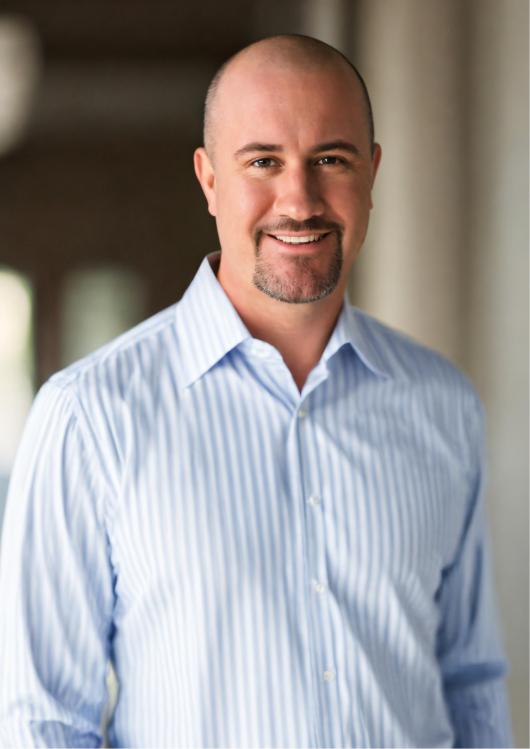
I know I look young (or at least I still feel young!), but I have been in the franchising world for 22 years as a multi-brand, multi-unit franchisee, and specializing as a franchise coach and consultant. One of the things I love about franchise ownership in Houston is that you don't have to reinvent the wheel to excel! Franchising allows you to follow a proven, scalable model so you can grow your business quickly while avoiding a lot of the pitfalls that come with traditional entrepreneurship.
People come to me when they want help finding the right franchise to buy in Houston because of 3 reasons…
1. I actually am an active franchisee, so I understand exactly what you're getting into. I've personally owned 24 different locations with multiple brands.
2. I know what makes a great franchise, and which franchises you should avoid. Every franchisor is going to tell you they're awesome and you should be one of their franchisees. But that's obviously just not true.
3. I hate sales. For most, buying a franchise is one of the biggest, most impactful decisions they'll ever make. My goal is not to persuade you to buy a franchise (like many consultants out there) but to actually help you figure out if franchising is right for you; and if so, find a brand that matches your goals.
Schedule A Call
Franchise Discovery Process

Step 1
A 15–20 minute introductory call with Ryan. The goal is to learn about each other, hear what your goals are, and see if he can help you.

Step 2
Ryan gets to work, eliminating options that don't fit your goals, keying in on franchise brands that might be a great fit, and introducing you to the ones that sound most interesting.

Step 3
The franchisor invites you to a series of calls and events so you can learn about the business and get a feel for the brand. It's a lot like dating: you're both deciding whether it's a fit.

Step 4
After you've walked through each step with each brand, you'll be ready to decide whether you want to own it. Most people reach this point 30–90 days after our initial call.
No commitment, just a conversation. See the full process
After 17 years in the fast paced corporate environment, I needed a change, but wasn't sure where to go or even how to get started. When I met my consultant, he gave me the right directions to get my life back on the right track. The Franchising Path…
Without Ryan's guidance, I would've always wondered if I made the right choice or not. He not only helped me achieve my 3 goals (profitability, ability to work ON a project instead of in it, and lower cost of acquisition), but he also helped me through my…
There's always some sort of anxiety when you're on a path to change your life, but with Ryan on my side, I was able to go through the process seamlessly. With his help, I was able to evaluate and grab such a massive opportunity in front of me and I also…
What appeals to you the most?
No commitment, just a conversation.

“I found the entire process a joy, and very valuable”
James H.
I would like to relay my strong recommendation of Franchising Path services. I had the pleasure of working with a consultant and found the entire process a joy, and very valuable. I feel that my consultant's advice was given with my best interests in mind. His knowledge of franchising is a great asset in one's search for the right business for them.
We've helped place dozens of people into franchise opportunities in Houston and other cities throughout Texas.
Taking the responsibility of a franchise owner is all about performing the role of an entrepreneur, businessperson, investor, general manager, and a significant member of a huge company simultaneously.
Read more
Subway is the 2nd lowest earner in the franchise industry and has closed over 900 stores in 2017 alone in the US as per the list of QSR 50.
Read more
Commited to the best outcome possible. Personalised approach, offering candidates the experience and expertise necessary to make this process as seamless as possible.
Read moreBuying a franchise in Houston offers access to a growing market, supported by the city's increasing population and economic development. Franchises benefit from brand recognition, established business models, and support from the franchisor in terms of training and operational guidance. Houston diverse economy and favorable business climate make it an attractive location for entrepreneurs.
Prospective franchisees should consider the market demand for the franchise's products or services in Houston, the competition, the total investment required, and the support offered by the franchisor. It's also important to assess your own business skills, financial resources, and willingness to adhere to the franchisor's system. Understanding local business regulations and the economic climate of Houston is crucial.
Financing options for buying a franchise in Houston include traditional bank loans, Small Business Administration (SBA) loans, financing from the franchisor, or seeking investment from private investors. It's essential to have a solid business plan to present to potential lenders or investors, showcasing the viability of the franchise in the Houston market.
Legal requirements include registering the business with the state of Texas, obtaining necessary business licenses and permits from the City of Houston, and complying with federal and state franchise disclosure laws. It's advisable to consult with a lawyer specializing in franchise law to ensure all legal obligations are met, including reviewing the Franchise Disclosure Document (FDD) before making any commitments.
Start by assessing your interests, skills, and investment capability. Use franchise directories, attend franchise expos, and consult with franchise consultants to identify opportunities that match your criteria. Research the market demand in Houston for the services or products offered by the franchise. Consider reaching out to current franchisees in the area to gain insights into their experience. Conducting thorough due diligence on the franchisor and the specific market in Houston is key to finding the right franchise opportunity.
Located in southeastern Texas near the Gulf of Mexico, Houston is the fourth-largest city in the United States and the largest in Texas. Known for its diverse population, booming energy sector, and vibrant cultural scene, Houston represents the dynamic spirit of the Lone Star State. Whether you're interested in space exploration, world-class dining, or sprawling green parks, Houston has something for everyone.
Founded in 1836 by the Allen brothers, Houston was named after Sam Houston, a key figure in the Texas Revolution and the first president of the Republic of Texas. Originally envisioned as a commercial and railroad hub, Houston's growth accelerated with the discovery of oil at the Spindletop field in 1901. The city soon became a global center for the energy industry.
Over the decades, Houston's population has grown rapidly. Today, it is home to over 2.3 million people, with a metropolitan area that includes more than 7 million residents. This growth has been fueled by immigration, economic opportunity, and the city’s strategic location.
One of Houston's defining characteristics is its cultural diversity. The city is often cited as one of the most ethnically and racially diverse metropolitan areas in the country. More than 145 languages are spoken in Houston, and over 90 nations have consular representation in the city.
This diversity is reflected in Houston’s culinary scene, festivals, neighborhoods, and religious institutions. From Vietnamese pho in Midtown to Nigerian jollof rice in Alief, Houston is a haven for food lovers seeking global flavors.
While oil and gas remain dominant forces, Houston's economy is far from one-dimensional. The city has developed strong sectors in:
Houston is a cultural powerhouse with a thriving arts scene. The city boasts a Theater District that rivals those in New York and Chicago, offering world-class ballet, opera, symphony, and theater performances. The Museum District features more than 19 museums, including the Museum of Fine Arts, the Houston Museum of Natural Science, and the Contemporary Arts Museum.
For outdoor enthusiasts, Houston offers an abundance of parks and trails. Memorial Park and Hermann Park are central green spaces, while the Buffalo Bayou Greenway System offers miles of scenic trails for biking, running, and kayaking.
Houston is home to several major universities, including:
With its proximity to leading institutions and research centers, Houston is increasingly becoming a hub for innovation and entrepreneurship.
Houston has a humid subtropical climate characterized by hot summers and mild winters. While the city is prone to heavy rainfall and occasional hurricanes, its residents embrace the weather and enjoy a year-round outdoor lifestyle.
The cost of living in Houston is relatively affordable compared to other major U.S. cities, particularly in terms of housing. Its expansive geography allows for a variety of residential neighborhoods, from urban lofts downtown to sprawling homes in suburban areas.
Houston is a car-centric city with an extensive highway system, including the famed I-610 Loop and Beltway 8. While traffic can be a challenge, the city is investing in infrastructure improvements and public transit initiatives.
Houston’s METRO system provides bus and light rail services, and the city has made efforts to expand its bike lanes and pedestrian-friendly areas. The George Bush Intercontinental Airport (IAH) connects Houston to over 180 domestic and international destinations.
Houston is more than just a large Texan city — it’s a microcosm of global cultures, a leader in key industries, and a community rich in history and innovation. Whether you're visiting Space Center Houston, catching a show in the Theater District, or exploring diverse neighborhoods, the city offers a unique blend of opportunity and charm.
A 15-minute call starts you on the path to find out whether franchising is right for you, and which brands fit your goals.