The Business Model That Shows Up When Everyone Else Breaks Down
Every morning, thousands of commercial vehicles start their engines with one purpose.
Work.
Delivery vans. Box trucks. Heavy equipment. Service fleets. They are not optional. They are operational oxygen for the businesses that own them.
And when one goes down, everything behind it feels the impact.
Missed jobs. Delayed deliveries. Frustrated clients. Lost revenue by the hour.
Most people never think about that pressure.
But some see it clearly and realize something important.
Where there is operational dependence, there is opportunity.
The Hidden Cost of Downtime Most Entrepreneurs Overlook
A broken-down personal car is inconvenient. A broken-down fleet vehicle is expensive.
Commercial operators do not have the luxury of waiting days for shop availability. Towing across town. Rearranging schedules. They need solutions where the vehicle sits.
That is where mobile fleet repair shifts the equation.
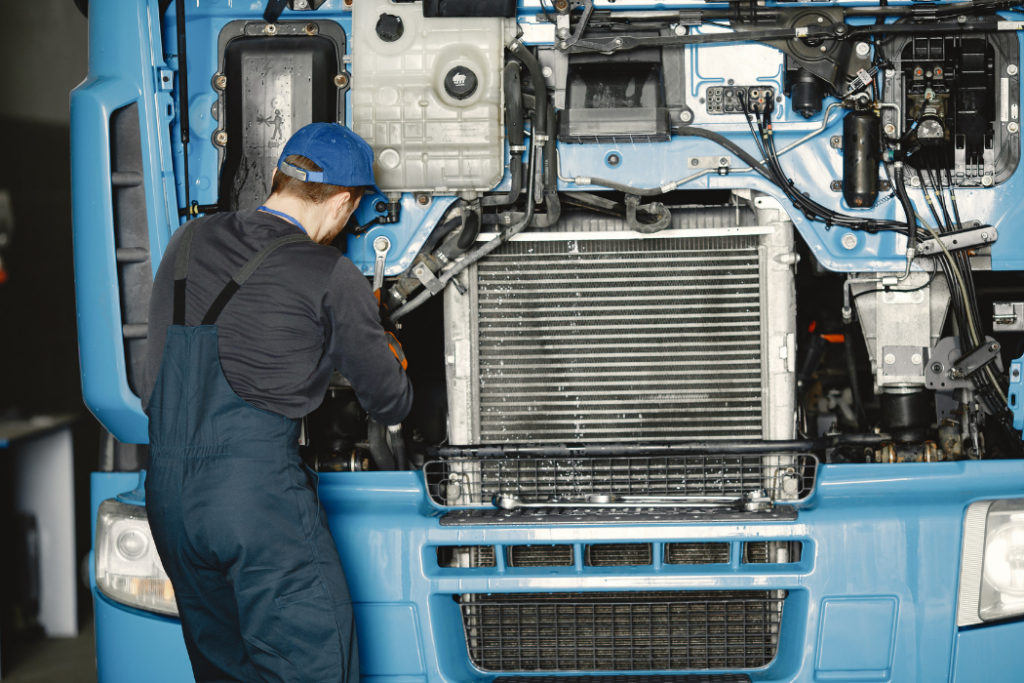
Instead of the truck going to the shop, the shop goes to the truck.
For the customer, it means reduced downtime. For the owner, it means you are not competing for retail foot traffic. You are building direct relationships with businesses that rely on reliability.
That difference changes the type of client you serve and the stability of the revenue you build.
A Business Model Built Around How Businesses Actually Operate
Think about how most repair shops function. Fixed location. Waiting bays. Customers lining up.
Now think about how commercial fleets operate. Vehicles are deployed across job sites, warehouses, distribution centers, construction zones.
A mobile business model aligns with that reality.
On site preventive maintenance. DOT inspections. Diagnostics. Roadside repairs. Support for light, medium, and heavy duty vehicles.
You are not waiting for customers to find you. You are integrated into their workflow.
When your service reduces friction in someone’s business, you become hard to replace.
Low Overhead Does Not Mean Low Impact
One of the biggest misconceptions in franchise ownership is that bigger facilities mean bigger opportunity.
In this case, the strength is in mobility.
Home based structure. Service vehicle. Lean team.
One to two employees can operate efficiently. No large retail footprint. No expensive build out.
You are delivering essential services without carrying the cost of a storefront. That margin discipline matters. Especially in industries where customers value speed and competence more than polished waiting rooms.
You Do Not Have to Be a Mechanic to Own This
This is where many qualified candidates hesitate.
They assume mechanical expertise is required. It is not.
The business model is designed for owners who can lead, build relationships, manage operations, and grow a local territory. Technicians handle the technical execution. Owners focus on client relationships, territory development, and performance oversight. In fact, the founder did not come from a mechanical background.
After eight years as a Navy SEAL, he approached the industry from a systems and service perspective. He saw the operational gap. Businesses needed dependable site support. He built the model around solving that gap.
That origin matters. It was built from observation and discipline, not tradition.
Essential Services Tend to Outlast Trends
Fleet repair is not driven by social media. It is driven by necessity.
Commercial vehicles will continue to operate. Regulations like DOT inspections will continue to apply. Preventive maintenance will always cost less than catastrophic failure.
This positions the business inside an essential services category rather than a discretionary spending category. When you build inside infrastructure, you build inside durability.
What Ownership Actually Looks Like
This is not absentee. It is not part time. It requires leadership and presence.
Initial training includes classroom and hands-on experience. Ongoing support includes operational guidance, marketing assistance, field support, and direct access to the franchise team.
You receive a defined territory. You build local relationships. You grow within that area.
It is structured, but not restrictive.
The right owner is not looking for passive income. They are looking for control, scale, and a business that makes practical sense.
For the Person Who Is Tired of Guessing
At some point in your search, the excitement wears off and the real questions start showing up.
You stop asking what sounds impressive and start asking what actually makes sense. You begin looking past the marketing language and imagining what daily ownership would feel like. Who are the customers? Why would they need this? Will they still need it five years from now?
There is a big difference between building something that feels trendy and building something that solves a problem companies deal with every single day. Commercial fleets are not optional. They are tied directly to revenue. When a truck is down, money is leaking. When inspections are overdue, risk increases. When maintenance is delayed, bigger costs follow.
Business owners who rely on their vehicles are not shopping for novelty. They are looking for reliability. They want someone who shows up, communicates clearly, and keeps their operation moving without drama.
If you are evaluating franchise opportunities right now, this is the kind of clarity that matters. Not how exciting it sounds at a dinner table. Not how polished the branding looks. But whether the service sits close to a real operational need.
Because when you build around necessity, you are not hoping for demand. You are stepping into it.
When You Start Thinking Like an Owner
Sometimes you read about an opportunity and it just sounds interesting.
Other times, something feels steady. Logical. Grounded.
If this business model makes sense to you, not emotionally but practically, that is worth noticing. It usually means you are thinking like an owner, not just a shopper.
Mobile fleet repair is not flashy. It sits behind the scenes of construction companies, delivery businesses, municipalities, and service providers. But that is exactly why it works. It is tied to infrastructure. Vehicles have to run. Inspections have to be completed. Maintenance cannot be postponed forever.
For the right person, that reliability is attractive. Lower overhead. Commercial clients. Essential services. A business model that can be operated from a mobile unit without the cost of a large facility.
If you find yourself thinking, “This feels stable. This feels needed. This feels scalable,” that reaction is not random.
The next step is not jumping in. It is having a real conversation. Not to be sold. Not to be rushed. Just to evaluate whether this path aligns with your goals, your capacity, and the kind of business you actually want to build.
Research informs you. Conversation reveals you. If you’re ready to see what this looks like in real numbers and real ownership, schedule the call and let’s break it down.